We're reformulating our bars with an even better recipe. Sign up for early access and get an exclusive re-launch discount.
Prebiotic Fiber and Blood Sugar: How It Works
By Resist Team
Prebiotic fiber helps regulate blood sugar by feeding beneficial gut bacteria, which produce short-chain fatty acids (SCFAs) during fermentation in the colon. These SCFAs improve glucose regulation, insulin sensitivity, and slow glucose absorption. Unlike regular carbohydrates, prebiotic fiber resists digestion, reaching the colon intact and nourishing gut bacteria. Foods like garlic, onions, oats, and green bananas are great sources of prebiotic fiber.
Key benefits of prebiotic fiber for blood sugar control:
Slows glucose absorption: Forms a gel-like substance that delays carbohydrate breakdown.
Improves insulin sensitivity: SCFAs, especially butyrate, enhance insulin response.
For effective results, aim for 5–20 grams of prebiotic fiber daily, starting with smaller amounts to avoid digestive discomfort. Gradual, consistent intake supports gut health and blood sugar management, particularly for individuals with prediabetes or type 2 diabetes.
Psyllium, Inulin, Prebiotics LOWER Blood Glucose and GKI
sbb-itb-40fb9b7
How Prebiotic Fiber Moves Through the Gut
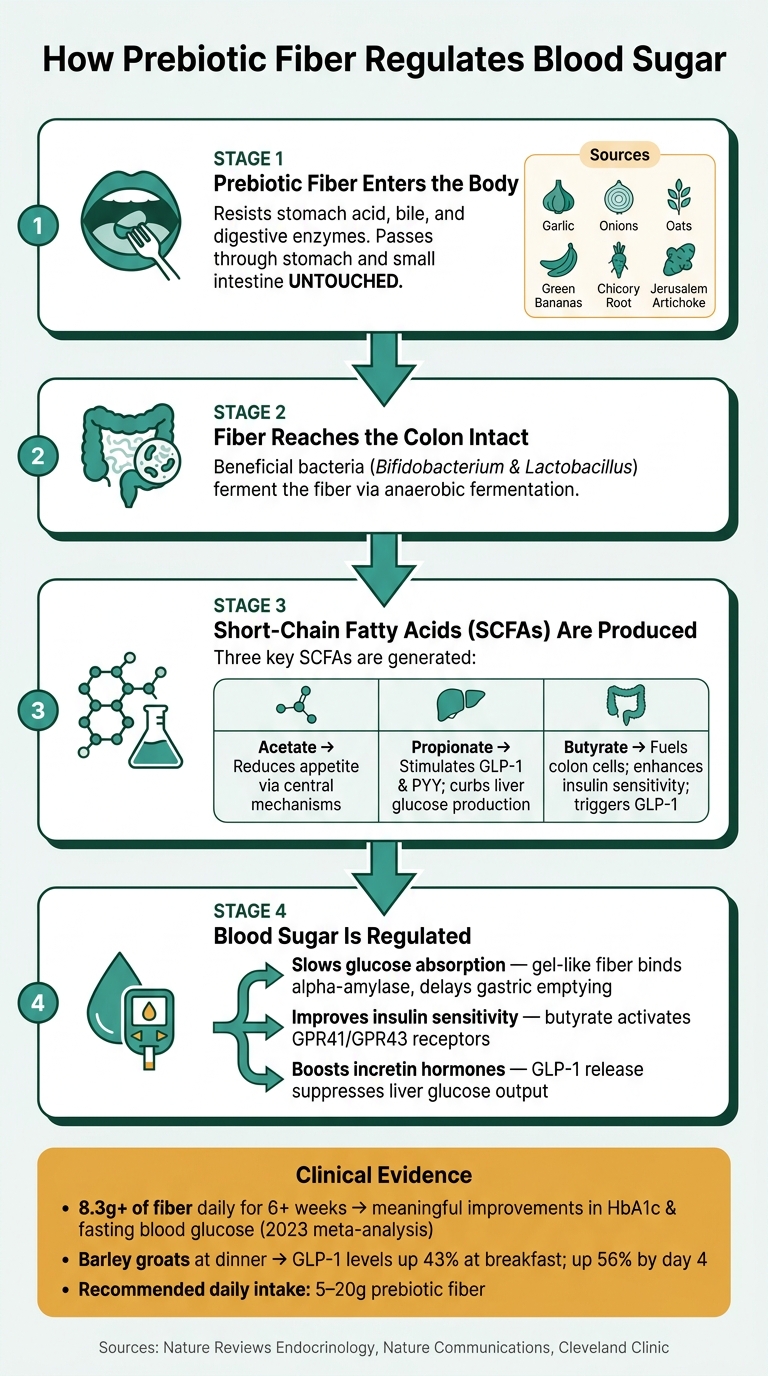
Most carbohydrates are broken down by your digestive system into glucose, which then enters your bloodstream. Prebiotic fiber, however, takes a different route. Your body doesn’t have the enzymes needed to digest it, so it travels through your stomach and small intestine untouched. This means it resists stomach acid, bile, and digestive enzymes, reaching your colon in its original form.
"Prebiotics function as a food source for your gut's microorganisms - and they need to bypass digestion and make it all the way to your colon." - Gail Cresci, PhD, RD, Cleveland Clinic
Once in the colon, the magic begins: beneficial bacteria ferment the fiber, unlocking metabolic benefits that support your gut health.
What Sets Prebiotic Fiber Apart
Unlike regular carbs that break down into simple sugars, prebiotic fiber skips the small intestine altogether. Instead of raising blood sugar, it nourishes the good bacteria in your gut. It's classified as a non-digestible carbohydrate - often a fermentable soluble fiber - that feeds your microbiome, not your bloodstream.
Where Prebiotic Fiber Comes From
Prebiotic fibers come in various forms, each offering distinct benefits. Here's a quick breakdown:
Raw apples, carrots, apricots, raspberries, tomatoes
Strengthens the intestinal barrier, provides antioxidant support
Cooking methods can enhance prebiotic content. For example, boiling a potato and then chilling it increases its resistant starch content significantly. The cooling process alters the starch structure, making it harder to digest and more effective as a prebiotic.
How Gut Bacteria Break Down Prebiotic Fiber
How Prebiotic Fiber Regulates Blood Sugar: From Gut to Glucose
When prebiotic fiber reaches the colon, it becomes a feast for beneficial bacteria like Bifidobacterium and Lactobacillus. These bacteria use specialized enzymes during anaerobic fermentation to turn complex carbohydrates into short-chain fatty acids (SCFAs). Once produced, these SCFAs are absorbed into the bloodstream, where they interact with the liver, muscles, and fat tissues to help regulate glucose levels and overall energy balance. Let’s take a closer look at how SCFAs contribute to managing blood sugar.
"Our gut microbiota might affect the cardiometabolic phenotype by fermenting indigestible dietary components and thereby producing short-chain fatty acids (SCFA)." - Nature Reviews Endocrinology
What Short-Chain Fatty Acids Do
Fermentation of prebiotic fiber primarily produces three SCFAs: acetate, propionate, and butyrate. Each of these plays a unique role in supporting metabolic health.
SCFA
Primary Role
Effect on Metabolism
Acetate
Most abundant; reaches peripheral tissues
Reduces appetite through central mechanisms
Propionate
Taken up mainly by the liver
Stimulates GLP-1 and PYY release; aids glucose regulation
Butyrate
Main energy source for colonocytes
Enhances insulin sensitivity; boosts energy expenditure
Butyrate stands out for its ability to fuel colon cells, regulate metabolic gene expression by inhibiting HDAC, strengthen the intestinal lining, and support immune tolerance.
How SCFAs Help Regulate Blood Sugar
SCFAs interact with specific receptors - GPR41 and GPR43 (also known as FFAR3 and FFAR2) - found in various tissues. Activating these receptors triggers processes that improve blood sugar control and reduce systemic inflammation, a major factor in insulin resistance.
In fact, a 2023 meta-analysis revealed that consuming at least 8.3 grams of fiber daily for six weeks or more led to meaningful improvements in HbA1c and fasting blood glucose levels in individuals with type 2 diabetes. This connection highlights how prebiotic fiber, through SCFA production, plays a key role in promoting better metabolic health.
How Prebiotic Fiber Helps Control Blood Sugar
Prebiotic fiber does more than just support gut health - it plays a key role in managing blood sugar levels. It slows glucose absorption, enhances insulin sensitivity, and stimulates the release of incretin hormones, all of which contribute to better blood sugar control.
Slowing Glucose Absorption
Certain soluble fibers, like inulin, oligofructose, and beta-glucans, dissolve in water to form a gel-like substance in your digestive system. This gel binds to enzymes like alpha-amylase, slowing the breakdown of carbohydrates into simple sugars. It also delays gastric emptying, ensuring a steady, gradual release of glucose into the bloodstream instead of a sharp spike after meals.
Improving Insulin Sensitivity
Short-chain fatty acids (SCFAs), particularly butyrate, are produced when prebiotic fibers ferment in the gut. These SCFAs not only feed colon cells but also stimulate the pancreas to release insulin and improve the body’s ability to sense glucose. Together, these actions reduce the overall demand for insulin.
Supporting Incretin Hormones
Prebiotic fiber also encourages the release of incretin hormones, including glucagon-like peptide-1 (GLP-1). When SCFAs like propionate interact with intestinal L-cells, they trigger GLP-1 secretion. This hormone boosts insulin release, suppresses glucose production by the liver, and slows gastric emptying, creating a multi-faceted approach to blood sugar regulation.
Consistency is key: studies show that eating barley groats at dinner can increase GLP-1 levels by 43% at breakfast the next day. After just three days of regular consumption, levels can rise by 56% by day four. However, full adaptation of the colon to these benefits may take 9–12 months.
"Prebiotics can be used to promote metabolic health and longevity by stimulating intestinal production of GLP-1." - Dr. Michael Greger, Founder, NutritionFacts.org
These insights highlight the importance of incorporating prebiotic fiber into your daily routine for better blood sugar management.
Adding Prebiotic Fiber to Your Diet
Knowing how prebiotic fiber supports health is one thing, but working it into your daily meals is where the real challenge lies. Fortunately, small and manageable changes to your diet can make a noticeable impact over time. Let’s explore some easy ways to incorporate prebiotic fiber while keeping its role in blood sugar management in mind.
Prebiotic-Rich Foods and Snacks
Certain whole foods are packed with prebiotic fiber, each offering unique benefits. Some top choices include Jerusalem artichokes (which can contain up to 20% prebiotic fiber by weight), garlic, onions, asparagus, oats, lentils, and green bananas. These foods provide different types of fiber - such as inulin, beta-glucan, pectin, and resistant starch - that all play a role in stabilizing blood sugar levels.
Contains chromium, which enhances insulin function
Green Bananas
Resistant Starch
Promotes metabolic stability
Garlic & Onions
Inulin
Supports glucose metabolism
Lentils & Beans
Soluble Fiber
Combines prebiotic fiber with plant protein
If whole foods aren’t always an option, consider alternatives like Resist Nutrition bars. Each bar is packed with 14g of fiber, 12g of plant protein, and just 4g net carbs, with no added sugars or sugar alcohols. These bars are clinically shown to help maintain stable glucose levels, making them a convenient, blood-sugar-friendly snack.
Starting Slowly to Avoid Digestive Discomfort
If your diet is currently low in fiber, diving straight into larger amounts can lead to gas, bloating, or abdominal discomfort. Your gut bacteria need time to adapt and grow before they can effectively process more fiber.
Start small - around 3–5 grams of prebiotic fiber daily - and gradually increase your intake over several weeks, aiming for the recommended 5–20 grams per day. Be sure to drink plenty of water as you increase fiber intake, as soluble fiber needs water to form the gel that slows glucose absorption. If you’re on diabetes medication, consult your healthcare provider, as better glucose control could mean adjustments to your medication.
Why Consistency Matters
Taking it slow is important, but sticking with it consistently is where the long-term benefits come in. Research shows that consuming at least 8.3 grams of prebiotic fiber daily for six weeks can improve fasting blood glucose and HbA1c levels. Many people begin to see gradual improvements in glucose control after just 2–4 weeks of consistent intake, though full gut adaptation may take longer.
"Prebiotic fiber works on your blood sugar from two directions at once: slowing glucose absorption at the point of digestion, and improving how your body processes and responds to glucose over the long term." - Fiome
It’s not about timing your intake perfectly but about making it a daily habit. Beneficial gut bacteria thrive on a steady supply of fiber, helping them produce SCFAs (short-chain fatty acids) that boost insulin sensitivity and hormonal balance. Think of it as a long-term investment in your health rather than a quick fix.
When Prebiotic Fiber Can Help Most
The benefits of prebiotic fiber depend heavily on individual metabolic profiles, as shown in a large randomized trial conducted between December 2019 and February 2022 across eight medical centers in China. Known as the GPD study, this trial involved 802 participants with prediabetes, who were divided into two groups: one received standard care, while the other followed a dietary fiber intervention for six months. Published in Nature Communications in 2025, the findings revealed that fiber improved glycemic markers, but only for specific metabolic subgroups. To better understand these effects, researchers classified participants into distinct metabolic clusters.
Metabolic Profile
Key Characteristics
Primary Benefit of Fiber
Cluster 3
Older age, higher glucose/lipid disorders
Reduction in Fasting Plasma Glucose (FPG)
Cluster 4
Younger age, lower HbA1c, family history of diabetes
Improved HbA1c control and lower liver enzymes (ALT/AST)
Cluster 1
Poor islet β-cell function, low lipid disorder
No glycemic improvement observed
Cluster 2
High insulin resistance, low gut microbiota richness
No glycemic improvement observed
These findings highlight the role of prebiotic fiber as a targeted tool for early metabolic intervention and blood sugar management. Prediabetes itself spans a broad spectrum of metabolic health, and without timely action, up to 65% of individuals with prediabetes may progress to type 2 diabetes. Prebiotic fiber seems to be most impactful when introduced early, before blood sugar regulation deteriorates further.
"The gut microbiota response influences the effectiveness of dietary fiber intervention and provides a clinically applicable model to guide microbiome-targeted personalized medicine for prediabetes." - Nature Communications
Additionally, individuals with insulin resistance or metabolic syndrome can benefit from fiber supplementation, but the effectiveness often hinges on the composition of their gut microbiome. Specifically, people whose microbiota is rich in strains like Parabacteroides distasonis, Bacteroides uniformis, and Bifidobacterium longum tend to experience better glycemic outcomes. These bacteria are skilled at fermenting fiber into short-chain fatty acids, which play a key role in improving blood sugar levels. However, for those with less diverse gut microbiota, the benefits of fiber are limited, underscoring the importance of consistent, long-term fiber intake.
Conclusion: How Prebiotic Fiber Supports Blood Sugar
Prebiotic fiber plays a key role in regulating blood sugar by leveraging both metabolic signaling and the physical slowing of glucose absorption. Unlike other nutrients, prebiotic fiber skips digestion and reaches the colon intact, where it’s fermented by beneficial gut bacteria. This process produces short-chain fatty acids (SCFAs), which have a direct impact on glucose management.
Here’s how it works: Propionate curbs new glucose production in the liver, butyrate energizes colon cells while triggering GLP-1 production to improve insulin response, and viscous fibers form a gel-like substance in the gut, slowing glucose absorption to reduce post-meal spikes.
At the heart of this process is gut health. A more diverse and balanced microbiome enhances the benefits of dietary fiber, making consistent daily intake crucial. Unfortunately, many Americans don’t meet the recommended fiber intake, which can lead to metabolic challenges.
"Fiber helps regulate the body's use of sugars, helping to keep hunger and blood sugar in check." - Harvard T.H. Chan School of Public Health
The good news? Adding prebiotic fiber to your diet doesn’t have to be complicated. Whole foods like garlic, onions, and chicory root are excellent natural sources. For a quick, portable solution, Resist Nutrition bars offer 14g of prebiotic fiber and 12g of plant protein per bar, with 0g added sugar and just 4g net carbs. Flavors like Cinnamon Chocolate Chip and Peanut Butter Turmeric make it easy to meet your fiber goals without compromising on taste or worrying about blood sugar spikes.
FAQs
How is prebiotic fiber different from regular fiber?
Prebiotic fiber stands out from regular fiber due to its ability to specifically nourish beneficial gut bacteria like Bifidobacteria and Lactobacilli. When these bacteria thrive, they produce short-chain fatty acids (SCFAs), which play a key role in regulating blood sugar by enhancing glucose metabolism and minimizing post-meal blood sugar spikes. While regular fiber supports digestion and helps with glycemic control, it doesn't target gut microbial activity in the same way prebiotic fiber does.
Can prebiotic fiber affect my diabetes medication dose?
Prebiotic fiber can aid in maintaining blood sugar levels and promoting gut health. However, there's no direct proof that consuming it necessitates changes to your diabetes medication. While it may contribute positively to metabolic health, any medication adjustments should always be discussed with your healthcare provider.
How long does it take to see blood sugar benefits from prebiotic fiber?
Most people start to see better blood sugar control within 2 to 4 weeks of regularly consuming prebiotic fiber. However, the timeline can differ based on personal factors and eating habits.