We're reformulating our bars with an even better recipe. Sign up for early access and get an exclusive re-launch discount.
How to Stabilize Blood Sugar Naturally Without Medication
By Drew Lederman
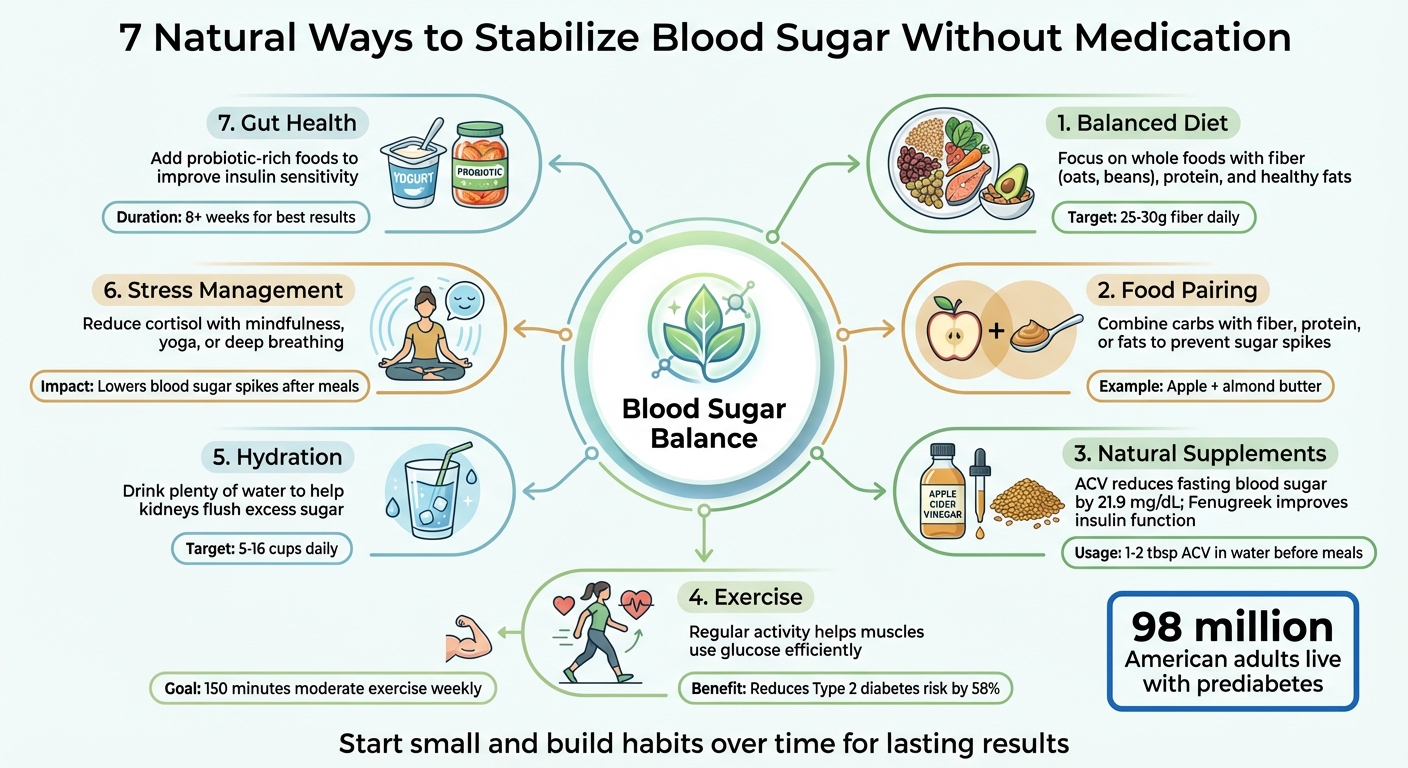
Your blood sugar affects your energy, mood, and overall health. Managing it naturally can reduce your risk of serious conditions like Type 2 diabetes, heart disease, and nerve damage. The good news? You don’t need medication to make a difference. Here’s how you can stabilize blood sugar levels using simple, science-backed strategies:
Balanced Diet: Focus on whole foods, include fiber (like oats and beans), protein, and healthy fats in every meal.
Food Pairing: Combine carbs with fiber, protein, or fats to prevent sugar spikes.
Natural Supplements: Use options like apple cider vinegar or fenugreek seeds to improve glucose control.
Exercise: Regular activity, like walking or strength training, helps muscles use glucose efficiently.
Hydration: Drink plenty of water to support your kidneys in flushing out excess sugar.
Stress Management: Reduce cortisol levels with mindfulness, yoga, or deep breathing.
Gut Health: Add probiotic-rich foods like yogurt or kimchi to improve insulin sensitivity.
These lifestyle tweaks, paired with mindful eating, can help you maintain steady blood sugar levels and improve your overall health. Start small and build habits over time for lasting results.
7 Natural Ways to Stabilize Blood Sugar Without Medication
Top 10 Foods to Lower Blood Sugar QUICKLY (Without Medications)
sbb-itb-40fb9b7
1. Balance Your Diet to Control Blood Sugar
Processed sugars and refined grains are stripped of fiber, protein, and healthy fats, leading to quick glucose spikes followed by crashes. In contrast, whole, nutrient-rich foods help slow carbohydrate absorption, keeping blood sugar levels steadier over time. Pairing carbohydrates with fiber, protein, or healthy fats ensures they enter your bloodstream gradually, avoiding those sudden spikes.
Did you know nearly 98 million American adults are living with prediabetes?
1.1. Eat More Soluble Fiber
Soluble fiber is a game-changer for managing blood sugar. Found in foods like oats, apples, beans, and chia seeds, it forms a gel-like substance in your digestive system that slows down glucose absorption.
The stats speak for themselves. A single cup of cooked lentils provides 15.6 g of fiber - about 55.7% of your daily needs - while also offering 17.9 g of plant-based protein. Chia seeds? Just an ounce delivers 9.75 g of fiber, covering 35% of your daily requirement. Even artichoke hearts pack 9.69 g of fiber per cup.
Aim for 25 to 30 grams of fiber daily from whole foods such as black beans, chickpeas, almonds, flax seeds, and berries. These not only slow glucose absorption but also improve how your body responds to insulin.
"Soluble fiber in particular appears to lower blood sugar levels by improving insulin sensitivity, which may mean you need less diabetes medicine."
– Harvard Health Publishing
1.2. Add Protein and Healthy Fats to Every Meal
Protein and healthy fats are essential for blood sugar stability. Protein slows down how quickly your stomach empties, leading to a more gradual release of glucose. Healthy fats, like those found in avocados, nuts, and olive oil, work in a similar way to slow carbohydrate absorption.
For instance, a 3-ounce serving of chicken contains 26 g of protein with no carbs. Greek yogurt offers 17 g of protein per three-quarter cup - nearly double the amount in regular yogurt. Plant-based options like almonds, chia seeds, walnuts, and tofu are also great choices.
Resist Nutrition bars offer a convenient way to balance your meals. Each bar contains 12 g of plant-based protein and 14 g of fiber, with only 4 g net carbs and no added sugar. Made with whole foods like almonds and chia seeds, they help stabilize blood sugar without the crashes that many snack bars cause.
Here’s a practical tip: try eating a small portion of protein or healthy fats about 30 minutes before your main meal. Research shows that consuming 20 g of almonds or whey protein before eating can significantly reduce post-meal blood sugar spikes.
1.3. Pair High-Glycemic Foods with Fiber, Protein, or Fat
High-glycemic foods can cause sharp blood sugar spikes when eaten alone. But you don’t need to cut them out entirely - just pair them with other nutrients.
Megan Asterino-McGeean, a diabetes educator at Cleveland Clinic, explains:
"Your carbohydrates need a chaperone. Eat them with other foods like non-starchy vegetables and lean protein. These foods won't raise your sugar as high as some carbohydrates will."
For example, if you’re eating white rice, pair it with grilled salmon and steamed broccoli. Love toast? Add almond butter and sliced strawberries. Craving juice? Opt for the whole fruit instead, so you benefit from the fiber that slows sugar absorption.
The Plate Method is a simple way to plan balanced meals. Use a 9-inch plate, filling half with non-starchy vegetables (like spinach, peppers, or zucchini), one-quarter with lean protein (such as chicken, tofu, or fish), and one-quarter with healthy carbohydrates (like sweet potato, quinoa, or fruit). This visual guide helps ensure you’re getting the right mix of macronutrients.
Food Combination
Blood Sugar Impact
Why It Works
White bread alone
Sharp spike, then crash
Rapidly digested with no buffer
White bread + almond butter + apple slices
Gradual, steady rise
Protein and fiber slow glucose absorption
Fruit juice
Immediate spike
Lacks fiber to slow sugar entry
Whole orange
Moderate, controlled rise
Fiber in the pulp regulates absorption
White rice alone
High spike
Refined grain with minimal nutrients
White rice + salmon + broccoli
Stabilized response
Protein, fat, and fiber create a buffer
This balanced approach to eating can naturally help manage blood sugar levels without relying on medication.
Up next, we’ll look at how natural supplements can complement your diet for even better blood sugar control.
2. Use Natural Supplements Backed by Research
Making dietary adjustments is a great start, but adding natural supplements to your routine can also help keep blood sugar levels steady. While these supplements shouldn't replace other strategies, they can complement your body's natural glucose regulation when used properly.
2.1. Apple Cider Vinegar Before Meals
Apple cider vinegar (ACV) has gained a solid reputation for its role in managing blood sugar. The acetic acid in ACV helps in several ways: it slows down the digestion of starches, delays stomach emptying, and encourages muscles to absorb glucose, preventing it from lingering in your bloodstream.
A 2025 meta-analysis covering seven studies revealed that ACV reduced fasting blood sugar by an average of 21.9 mg/dL in people with type 2 diabetes. It also lowered HbA1c levels by 1.53%. Adding just 20 grams of vinegar to high-glycemic foods like white bread can reduce the meal's glycemic index by 35%.
"When you consume acetic acid, it stops this enzyme [disaccharidase] from doing its thing which greatly reduces the number of sugar molecules from starch digestion, and in turn, reduces your blood sugar levels." – Bragg Staff
How to use it: Mix 1–2 tablespoons (15–30 mL) of apple cider vinegar into a large glass of water and drink it before or during meals, especially those high in carbs. Always dilute it - undiluted vinegar can harm tooth enamel and irritate your throat. Research suggests doses above 10 mL per day provide the most benefits.
If you're already using apple cider vinegar, fenugreek seeds are another powerful option to consider.
2.2. Fenugreek Seeds for Insulin Function
Fenugreek seeds are packed with a special amino acid called 4-Hydroxyisoleucine, which enhances your pancreas's ability to release insulin. A 2023 review of 44 randomized clinical trials compared six popular herbal remedies - apple cider vinegar, cinnamon, curcumin, fenugreek, ginger, and saffron. Among them, fenugreek and ACV stood out as the only ones that significantly reduced both fasting blood sugar and A1c levels.
Fenugreek helps by slowing down gastric emptying, meaning food takes longer to move through your digestive system. This reduces the likelihood of sudden blood sugar spikes. Beyond glucose control, fenugreek is also associated with lower cholesterol levels.
How to use it: Soak fenugreek seeds in warm water overnight to soften them, making them easier to consume the next morning. Alternatively, you can opt for fenugreek supplements, which are widely available at pharmacies and vitamin stores. However, consult your healthcare provider before starting, especially if you're on diabetes medications, as fenugreek may interact with them.
3. Make Lifestyle Changes That Support Blood Sugar Control
Controlling blood sugar isn’t just about what you eat or the supplements you take - it’s also about how you live your daily life. Small, consistent changes in your habits, like staying active, drinking enough water, and managing stress, can make a big difference in how your body handles glucose. These adjustments work hand-in-hand with dietary and supplemental strategies to create a well-rounded approach to blood sugar management.
3.1. Exercise Regularly to Improve Glucose Uptake
Exercise is one of the most effective ways to manage blood sugar. When you work out, your muscles use glucose from your bloodstream, even without insulin. This happens because muscle contractions activate GLUT4 proteins, which help transport glucose into muscle cells.
The benefits don’t stop when your workout ends. After exercising, your body becomes more sensitive to insulin for up to 48 hours as your muscles replenish their glycogen stores. Over time, regular activity strengthens your body’s insulin response. Studies show that 150 minutes of moderate exercise each week can reduce the risk of type 2 diabetes by up to 58%, and burning just 500 calories weekly can lower your risk by 6%.
"Exercise of all types helps your body become more sensitive to insulin. You don't have to become an Olympic athlete to benefit. Just find ways to move more throughout the day." – Ruchi Mathur, MD, Endocrinologist, Cedars-Sinai
How to incorporate exercise:
Aim for 150 minutes of moderate-intensity cardio weekly, such as brisk walking, cycling, or swimming.
Include strength training or resistance exercises to build muscle, which increases your body’s capacity to store glucose.
Break up long periods of sitting with 5- to 20-minute movement breaks, like a quick walk after meals.
3.2. Drink Enough Water to Support Blood Sugar Regulation
Staying hydrated plays a key role in blood sugar control. When you drink enough water, your kidneys can better flush excess glucose out of your system through urine. Research from 2021 even found that people who drank more water had a lower risk of high blood sugar.
How to stay hydrated:
Aim for 5–16 cups of water daily, depending on your activity level and needs.
Replace sugary drinks with water or unsweetened beverages.
Increase your water intake during exercise or when you’re feeling unwell.
3.3. Manage Stress to Lower Cortisol Levels
Stress doesn’t just affect your mind - it also impacts your blood sugar. When you’re stressed, your body releases hormones like cortisol and glucagon, which signal your liver to release more sugar into your bloodstream. Over time, chronic stress can lead to higher cortisol levels, making your cells less responsive to insulin and worsening blood sugar control. However, stress management techniques like meditation and yoga have been shown to reduce blood sugar spikes after meals.
"Stress causes high levels of hormones such as cortisol and adrenaline. These hormones, like inflammatory molecules, will make it harder for your body to respond to insulin properly." – Diabetes UK
How to manage stress effectively:
Try mindfulness meditation or deep breathing exercises to calm your body’s stress response.
Incorporate relaxing activities like yoga or daily walks.
Set boundaries to protect your personal time, and engage in hobbies like journaling or crafting.
Spend time outdoors in natural sunlight to help reduce stress naturally.
If stress feels overwhelming, consider talk therapy for additional support.
Avoid harmful coping mechanisms like overeating or excessive alcohol consumption, which can disrupt blood sugar balance.
4. Improve Gut Health with Probiotic Foods
Your gut does more than just digest food - it plays a crucial role in regulating blood sugar. It ferments dietary fiber into short-chain fatty acids (SCFAs), which stimulate the release of GLP-1. This hormone enhances insulin secretion and helps your body absorb glucose more efficiently. At the same time, these processes strengthen your intestinal barrier, reducing inflammation and improving overall metabolic health.
A robust intestinal barrier acts as a shield, preventing harmful bacterial toxins from leaking into your bloodstream - a condition often referred to as "leaky gut." By stopping these toxins, your gut can lower the risk of chronic inflammation, which is a major contributor to insulin resistance. Probiotics also seem to boost antioxidant enzymes like superoxide dismutase and glutathione, offering extra protection for the insulin-producing cells in your pancreas.
"The way to build a diverse microbiome is by eating a variety of foods that support the growth of different bacteria - and fermented foods are a great place to start." – L.J. Amaral, Clinical Research Dietitian, Cedars-Sinai
Your gut microbiome is home to as many as 1,000 species of bacteria, and keeping this diversity intact is critical for maintaining metabolic health. Research backs this up: one study showed that eating fermented foods daily for 10 weeks significantly reduced 19 inflammatory proteins, including interleukin-6 (IL-6), which is linked to Type 2 diabetes. Another study found that using the multi-strain probiotic VSL#3 for 8 weeks increased GLP-1 levels and improved glucose tolerance in mice.
4.1. Best Probiotic Food Sources
To get the most out of probiotic foods, look for labels that say "live and active cultures" - this ensures the beneficial bacteria are still present. If you're new to fermented foods, start with small portions, like a forkful of sauerkraut, to give your gut time to adjust. For consistent results, aim to include a variety of probiotic strains in your diet over at least 8 weeks.
Incorporating these foods can align perfectly with a hormone-balancing foods and a plant-based diet plan.
Probiotic Food
Key Strains
Blood Sugar Benefit
Yogurt / Kefir
Lactobacillus, Bifidobacterium
Enhances insulin response and promotes GLP-1 secretion
Contains γ-polyglutamic acid, slowing starch digestion and reducing glucose spikes
Tempeh / Miso
Lactobacillus plantarum, Lactobacillus brevis
Helps regulate glucose through bioactive peptides and enzymes
Kombucha
Acetobacter, Gluconacetobacter, yeasts
Offers postbiotic metabolites that support gut barrier health
Pair these probiotic-rich foods with prebiotic fibers - found in garlic, onions, oats, and bananas - to nourish beneficial bacteria. Swap out sugary beverages for low-sugar kombucha or water kefir to add healthy microbes without causing blood sugar spikes. When choosing fermented foods, stick to refrigerated, naturally fermented options like sauerkraut, as pasteurized or vinegar-brined versions often lack live cultures.
Adding these probiotic foods to your routine can play a key role in managing your blood sugar and supporting overall gut health.
5. How to Pair Foods for Stable Blood Sugar
Once you've got the basics of balanced eating and natural supplements down, the next step is learning how to mix and match foods to keep your energy steady throughout the day.
The key here isn’t about cutting out carbs entirely - it’s about not eating them solo. Pairing carbohydrates with protein, healthy fats, or fiber slows digestion, helping to avoid those quick blood sugar spikes that leave you feeling drained and hungry soon after eating.
"Start by adding, not taking away. If you love rice and beans, add veggies on top for extra fiber and flavor." – Dalina Soto, Registered Dietitian
Every meal should aim to include the "Big Four": carbohydrates for energy, protein to slow digestion, healthy fats for satiety, and fiber for gut health. Even combining just two of these elements can turn a potential sugar spike into a more gradual rise. For example, pairing an apple with almond butter not only tastes great but also helps moderate the release of sugar into your bloodstream.
For larger meals, thoughtful combinations - like white pasta with ground turkey, steamed broccoli, and olives - can make a big difference. Carbs alone digest quickly (in about 1–2 hours), but adding protein and fats can extend digestion to 3–4 hours or even up to 10 hours, keeping your energy more consistent.
5.1. Meal Comparison: Balanced vs. Unbalanced
To see how food pairing plays out, let’s compare some everyday meals. The difference between a balanced plate and an unbalanced one can be the difference between feeling energized or crashing halfway through your day.
Meal Type
Balancing Elements
Glucose Response
High-GI Carb Alone
None
Rapid spike and crash; leaves you feeling unsatisfied
Balanced Pasta Dish
Ground turkey (protein), steamed broccoli (fiber), and olives (fat)
Slower, steadier rise; keeps you full longer
Balanced Breakfast
Steel-cut oats (fiber) with flaxseed (fiber/fat) and almond butter (protein/fat)
Smooth glucose levels; avoids mid-morning slumps
Balanced Fruit Snack
Apple slices with peanut butter or cheddar cheese
Blunted insulin response compared to fruit alone
Balanced Grain Bowl
Brown rice with beans (fiber/protein) and avocado (fat)
Controlled glucose absorption thanks to fiber and fat
This approach ties back to earlier tips: combining fiber, protein, and healthy fats is a practical way to manage blood sugar while making meals more satisfying.
You don’t need to measure everything to get it right. Use your hand as a guide: your palm equals about 3 oz of meat, your fist is roughly 1 cup of vegetables or fruit, and your thumb tip measures around 1 tablespoon of fats. Or try the Plate Method - fill half your plate with non-starchy vegetables (like spinach or peppers), one quarter with lean protein (like chicken or tofu), and one quarter with carbs (like quinoa or sweet potatoes). This simple layout ensures balance without the hassle of calorie counting.
Conclusion: Your Action Plan for Natural Blood Sugar Control
Let’s pull everything together into a simple, actionable plan for managing blood sugar naturally.
Start with small, consistent changes. Follow the Plate Method: fill half your plate with non-starchy vegetables, one-quarter with lean protein, and the last quarter with healthy carbohydrates. Pairing carbs with fiber, protein, or healthy fats can slow digestion and help prevent blood sugar spikes. Women should aim for 25 grams of soluble fiber daily, while men should target 35 grams, focusing on foods like oats, beans, and fruits.
Physical activity is just as important as diet. Break up long periods of sitting with a quick 10- to 20-minute walk or some squats. Prioritize 7–9 hours of sleep each night to regulate cortisol levels and enhance insulin sensitivity. Even a 20-minute walk after dinner can make a noticeable difference in how your body handles blood sugar. Incorporating these habits into your daily routine can lead to steady progress.
"Being an active participant in your own health and taking proactive steps to control blood sugar levels can help prevent insulin resistance and improve your long-term health and wellbeing." – Ruchi Mathur, MD, Endocrinologist, Cedars-Sinai
The key is to start small. Swap out one sugary drink for water or add a serving of vegetables to your meals. Use a glucometer to monitor your blood sugar and adjust your approach as needed. This isn’t about quick fixes - it’s a lifestyle shift. While it may take weeks or months to notice significant changes, the benefits - more energy, fewer cravings, and better overall health - are well worth the effort.
FAQs
Why does combining carbs with fiber or protein help stabilize blood sugar levels?
Combining carbohydrates with either fiber or protein can significantly slow digestion and the absorption of glucose into your bloodstream. This steady process helps avoid rapid blood sugar spikes and ensures a more consistent energy supply throughout the day.
For instance, try spreading peanut butter on whole-grain bread or tossing beans into your salad. These pairings create more balanced meals, helping to regulate blood sugar by controlling how quickly glucose enters your system.
How can probiotic foods help with blood sugar management?
Probiotic foods can help in managing blood sugar levels by promoting a healthy gut microbiome. A well-balanced gut can boost insulin sensitivity and lower inflammation, both of which are key factors in keeping blood sugar stable. Plus, a healthy gut supports better nutrient absorption and digestion, contributing to improved overall metabolic health.
Incorporating probiotic-rich foods like yogurt, kefir, sauerkraut, and other fermented options into your diet is simple. These foods encourage a diverse gut microbiome, which may naturally aid in stabilizing blood sugar and enhancing overall wellness.
Can apple cider vinegar naturally help stabilize blood sugar levels?
Yes, apple cider vinegar might help maintain healthy blood sugar levels when included in a well-rounded diet. Research indicates it could enhance insulin sensitivity and minimize blood sugar spikes, particularly after eating. That said, its effectiveness can differ from person to person, and it works best when combined with habits like eating a balanced diet, exercising regularly, and managing stress.
If you're thinking about incorporating apple cider vinegar into your daily routine, start with small amounts - such as a teaspoon diluted in water before meals - to reduce the risk of side effects like stomach irritation. It's always a good idea to check with your healthcare provider before making any major changes to your diet or wellness plan.