We're reformulating our bars with an even better recipe. Sign up for early access and get an exclusive re-launch discount.
Hormone-Balancing Foods: A Complete Checklist
By Drew Lederman
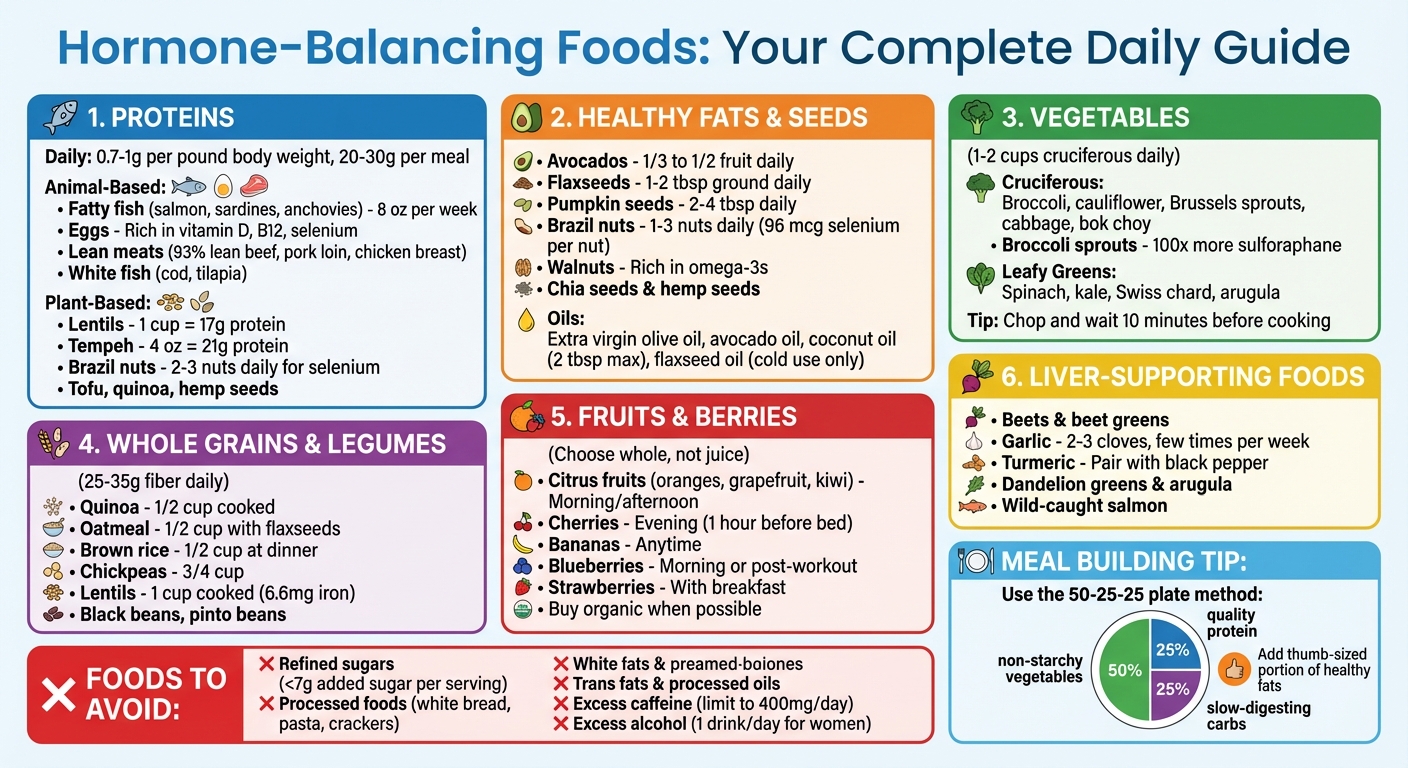
Your hormones control everything from energy levels to mood, digestion, and sleep. When they're off balance, symptoms like fatigue, weight changes, or brain fog can show up. The good news? What you eat can help regulate hormones like insulin, cortisol, and estrogen. Here's a quick guide to the foods that support hormone health:
Proteins: Animal proteins (like salmon and eggs) and plant-based options (like lentils and tofu) provide amino acids for hormone production. Aim for 0.7–1g of protein per pound of body weight daily.
Healthy Fats: Avocados, nuts, seeds, and oils like olive or avocado oil are essential for hormone synthesis.
Vegetables: Cruciferous veggies (like broccoli) and leafy greens (like spinach) support detox and hormone regulation.
Whole Grains and Legumes: Quinoa, oats, and lentils stabilize blood sugar and aid hormone balance.
Fruits and Berries: Citrus, cherries, and berries reduce cortisol and support estrogen detox.
Liver-Supporting Foods: Beets, garlic, and turmeric help process and eliminate used hormones.
Avoid processed foods, refined sugars, and excessive caffeine or alcohol, as they disrupt hormonal balance. Pair protein, fiber, and healthy fats in every meal for steady energy and balanced hormones.
This guide breaks down the best foods to include and avoid, along with practical meal ideas to keep your hormones in check.
Complete Hormone-Balancing Foods Checklist with Recommended Daily Intake
Hormone Balance - Fix Your Hormones with These Foods!
sbb-itb-40fb9b7
Proteins for Hormone Health
Protein is essential not just for building muscle but also for hormone production. Without enough protein, your body struggles to produce hormones, impacting metabolism, mood, reproduction, and even how you handle stress. Amino acids from protein play a key role in slowing glucose absorption, which helps prevent blood sugar spikes. This steadying effect supports consistent insulin release and keeps hunger in check by lowering ghrelin (the hunger hormone) and boosting leptin (the hormone that signals fullness).
To keep your hormones balanced, aim for 0.7 to 1 gram of protein per pound of body weight daily - for most women, that's about 60 to 100 grams. Spread this intake across your meals, with 20 to 30 grams of protein per meal, and consider starting your day with 30 grams to maintain energy levels and curb cravings throughout the day. Now, let’s dive into protein sources, starting with animal-based options.
Animal-Based Proteins
Animal proteins provide all nine essential amino acids along with key nutrients like zinc, selenium, and B-vitamins, which are crucial for thyroid health and hormone detoxification. The thyroid, in particular, relies heavily on selenium to convert inactive thyroid hormone (T4) into its active form (T3).
Fatty fish - such as salmon, sardines, and anchovies - are excellent sources of omega-3 fatty acids and vitamin D, both of which are essential for sex hormone production and reducing inflammation. Try to include 8 ounces of seafood per week. Eggs are another powerhouse, with their yolks offering vitamin D, B12, selenium, and tryptophan, which supports melatonin production for better sleep. For lean protein options with fewer saturated fats, consider 93% lean ground beef, pork loin, or skinless chicken breast. White fish like cod and tilapia provide high-quality amino acids with very little fat, making them ideal for the production of peptide hormones.
Plant-Based Proteins
Plant-based proteins are not just a great source of protein but also provide dietary fiber, which helps your body eliminate excess hormones like estrogen. Legumes - such as beans, lentils, and chickpeas - are excellent choices, offering protein, zinc, and folate while also helping to stabilize blood sugar. For example, a cup of cooked lentils contains about 17 grams of protein, and 4 ounces of tempeh packs roughly 21 grams, along with B-vitamins that aid liver detoxification.
Brazil nuts are an exceptional plant source of selenium. Just two to three Brazil nuts daily can meet your thyroid's selenium requirements, as each nut contains about 95 micrograms of selenium - well above the recommended daily intake of 55 micrograms. Other options like quinoa and hemp seeds provide zinc and omega-3 fatty acids, while tofu is rich in magnesium, which can help regulate cortisol levels and improve sleep. If you follow a strictly plant-based diet, be sure to include nutritional yeast or fortified cereals for vitamin B12, as this nutrient is primarily found in animal products.
Cruciferous Vegetables and Leafy Greens
When it comes to supporting hormone health, cruciferous vegetables and leafy greens play a key role. Not only do they assist in detoxifying the body, but they also contribute to thyroid function and stress regulation. Foods like broccoli, kale, and spinach are packed with nutrients that help eliminate excess hormones, boost liver detoxification, and provide essential minerals for overall balance.
Cruciferous Vegetables
Cruciferous vegetables - such as broccoli, cauliflower, Brussels sprouts, cabbage, and bok choy - are nutritional powerhouses. They contain glucosinolates, which form beneficial compounds like I3C and DIM. These compounds support liver detoxification by promoting the protective 2-OH estrogen pathway. Broccoli sprouts, in particular, stand out because they have up to 100 times more sulforaphane than mature broccoli. Sulforaphane is a key player in Phase II liver detoxification, helping to clear old hormones and reduce the risk of estrogen dominance.
"Cruciferous veggies, especially broccoli and broccoli sprouts, are superstars at helping our livers metabolize estrogen in an efficient and healthy way." - Ayla Barmmer, M.S., RD, LDN, Boston Functional Nutrition
To harness these benefits, aim for 1 to 2 cups of cruciferous vegetables daily. Follow the "chop and wait" rule: chop your vegetables and let them sit for 10 minutes before cooking to activate the enzyme myrosinase, which boosts sulforaphane levels. For cooking, stick to light steaming or stir-frying, as these methods preserve up to 50% more sulforaphane compared to boiling.
A note on thyroid health: If you have concerns about your thyroid, it’s best to cook cruciferous vegetables to deactivate goitrogens, which can interfere with iodine absorption. This is especially important for individuals with an underactive thyroid, as women are 5 to 8 times more likely than men to experience thyroid issues.
Now, let’s look at how dark leafy greens complement these benefits by aiding hormone balance and detoxification.
Leafy Greens
Dark leafy greens like spinach, kale, Swiss chard, and arugula are rich in folate and magnesium - two nutrients essential for hormone health. Folate has been linked to higher progesterone levels and a reduced risk of ovulatory infertility. Meanwhile, magnesium helps calm the nervous system, relax smooth muscles, and lower cortisol levels (your body’s stress hormone). These greens are also high in fiber, which binds to metabolized estrogens in the digestive tract, ensuring they’re eliminated rather than reabsorbed.
To get the most out of leafy greens, pair them with healthy fats to absorb fat-soluble vitamins like A, D, E, and K. Drizzle them with olive oil, toss them with avocado, or massage raw kale with lemon juice and olive oil to soften its texture and improve digestibility. If you’re blending greens into smoothies, frozen cauliflower or baby kale are great additions that won’t overpower the flavor. For variety, rotate greens like spinach, arugula, and kale to diversify your nutrient intake.
Healthy Fats and Seeds
Your body relies on quality fats to produce hormones. Hormones are synthesized from cholesterol and fat, so when these essential building blocks are missing from your diet, your body struggles to maintain hormonal balance. Without enough healthy fats, hormone production can slow down, leading to issues that can impact everything from your menstrual cycle to how you handle stress.
"Your hormones are made from cholesterol and fat. So when your diet lacks quality fats for hormone support, your body may struggle to produce and regulate key hormones."
– Nina, Nutritionist, Nutrition with Nina
The silver lining? Eating the right fats and seeds can support hormone metabolism, reduce inflammation, and help your body process and eliminate excess hormones. Here's a closer look at what to include in your diet and how they work.
Avocados, Nuts, and Seeds
Avocados are a powerhouse of monounsaturated fats and plant sterols like beta-sitosterol, which help balance cortisol and influence estrogen and progesterone levels. They also promote satiety hormones like PYY and GLP-1, keeping you full longer and preventing blood sugar spikes that can disrupt hormonal balance. A single avocado provides potassium, Vitamin E, and B vitamins - all of which support hormonal health.
When it comes to nuts, variety is key. Walnuts are rich in polyphenols and omega-3 fatty acids, which help regulate estrogen and support brain health. Brazil nuts, on the other hand, are exceptional for thyroid health. Just one nut contains 96 micrograms of selenium, providing 175% of your daily requirement. Selenium is crucial for converting thyroid hormones into their active form, making Brazil nuts a simple way to support optimal thyroid function. Stick to 1 to 3 Brazil nuts daily to avoid excess selenium, which can be harmful.
Seeds are another must-have for hormonal balance. Flaxseeds are the richest plant source of lignans, acting as phytoestrogens to regulate estrogen activity. They also promote the production of Sex Hormone Binding Globulin (SHBG), which helps manage circulating estrogen levels. Additionally, flaxseeds contain soluble fiber that binds to excess estrogen in the digestive tract, aiding in its elimination. In one study involving 140 women, adding flaxseed to their diet for three months significantly reduced menopause symptoms.
"Scientific studies reliably show that flax seeds taken regularly can prevent and even reverse diabetes, and in women prior to menopause, can also lower unhealthy forms of cholesterol."
– Aviva Romm, MD, Midwife, and Herbalist
To preserve their nutrients, grind flaxseeds just before use and store them in an airtight container in the freezer. Aim for 1 to 2 tablespoons daily, and mix them into yogurt, oatmeal, or smoothies for an easy hormone boost.
Pumpkin seeds (pepitas) are another excellent choice, loaded with zinc - a mineral essential for reproductive hormone production and progesterone levels. Zinc also supports thyroid function and helps maintain egg quality. Try eating 2 to 4 tablespoons of raw, unsalted pumpkin seeds daily to support hormonal and thyroid health.
Chia seeds and hemp seeds contribute plant-based omega-3s that reduce inflammation and help regulate cortisol through the hypothalamic-pituitary-adrenal (HPA) axis.
Seed/Fat Source
Key Nutrient
Primary Hormonal Benefit
Recommended Intake
Flaxseeds
Lignans, Omega-3, Fiber
Estrogen balance & detoxification
1–2 tbsp (ground)
Pumpkin Seeds
Zinc, Magnesium
Progesterone & Thyroid support
2–4 tbsp
Avocado
Monounsaturated fats
Cortisol & Insulin regulation
1/3 to 1/2 fruit
Brazil Nuts
Selenium
Thyroid hormone conversion
1–3 nuts
Walnuts
Polyphenols, Omega-3
Estrogen regulation & brain health
Varies
Oils for Hormone Support
Oils can also play a big role in hormonal health. Extra virgin olive oil is a staple of the Mediterranean diet, offering antioxidants and oleic acid that reduce inflammation and support both heart and hormonal function. It also aids in the absorption of fat-soluble vitamins like A, D, E, and K, which are essential for hormone production. Use it in salad dressings, drizzle it over vegetables, or add it to soups just before serving to maintain its health benefits.
"Extra virgin olive oil is a cornerstone of the Mediterranean diet. It's rich in antioxidants and anti-inflammatory compounds, and can help protect against heart disease and support hormone function."
– Nina, Nutritionist
Avocado oil is another excellent option, particularly for high-heat cooking. Its high smoke point makes it perfect for sautéing, roasting, or baking, and it helps reduce inflammation while supporting hormone synthesis.
Coconut oil contains medium-chain triglycerides (MCTs), which serve as building blocks for hormone production and support cell membrane health. However, limit your intake to about 2 tablespoons per day and use it for baking or medium-heat cooking as a butter substitute.
Flaxseed oil is a concentrated source of omega-3 fatty acids, which help regulate mood and inflammation. However, it should never be heated due to its low smoke point. Instead, use it in smoothies, dips, or salad dressings for a simple omega-3 boost.
Oil Type
Primary Benefit
Best Culinary Use
Extra Virgin Olive Oil
High in antioxidants & oleic acid
Dressings, marinades, drizzling over soups/veggies
Avocado Oil
High smoke point & Vitamin E content
Sautéing, roasting, baking, high-heat cooking
Coconut Oil
Supports hormone synthesis via MCTs
Baking, medium-heat cooking, swapping for butter
Flaxseed Oil
Concentrated Omega-3 fatty acids
Cold uses only: smoothies, dips, salad dressings
Pairing healthy fats with carbohydrates can slow sugar absorption, stabilizing insulin and hormone levels. For a quick snack, try combining a handful of walnuts or almonds with a piece of fruit. You can also opt for snacks like doctor-formulated protein bars from Resist Nutrition, which combine ingredients like almonds and chia seeds to support hormone health.
Next, we’ll dive into how whole grains and legumes contribute to blood sugar control and hormonal balance.
Whole Grains and Legumes for Blood Sugar Control
Keeping blood sugar levels steady plays an important role in maintaining hormonal balance. When blood sugar spikes and drops rapidly, it can disrupt insulin and cortisol levels, leading to imbalances. To support both blood sugar control and hormone regulation, it’s smart to opt for complex carbohydrates that break down more slowly in the body.
Unlike simple carbs, which are quickly digested and cause glucose surges, whole grains and legumes provide a steady energy release. They also help prevent insulin resistance, a key factor in managing blood sugar. Plus, the fiber in these foods assists in eliminating excess estrogen, contributing to overall hormonal health. Let’s take a closer look at how some specific whole grains and legumes can help.
Whole Grains
Quinoa is a powerhouse grain that not only stabilizes blood sugar but also supports balanced testosterone levels. Packed with protein, phosphorus, and magnesium, it’s a great choice for easing PMS symptoms and improving sleep quality. Its slow-digesting nature makes it perfect as a base for lunch bowls or dinner sides, helping you avoid insulin spikes.
Oatmeal offers dual benefits for hormone health. It helps stabilize blood sugar while also acting as a prebiotic, feeding the good bacteria in your gut. Since the gut is a key player in hormone regulation, this is a win-win. Try topping oatmeal with ground flaxseeds and berries for a breakfast that keeps you full and supports your hormones for hours.
Brown Rice is another excellent option for sustained energy without the blood sugar rollercoaster caused by white rice. Its slow digestion helps maintain stable insulin levels, while nutrients like selenium, zinc, and iron support thyroid function. Including half a cup of brown rice at dinner can even help regulate cortisol and melatonin, promoting better sleep.
"In fact, some carbs can really help to mitigate elevated cortisol levels."
– Isabel Smith, M.S., RD
Whole grains work beautifully alongside legumes, which add extra fiber and protein to the mix, further supporting balanced blood sugar and hormones.
Legumes
Chickpeas, lentils, and black beans are rich in fiber and protein, slowing sugar absorption and helping stabilize insulin levels. This is especially important for managing conditions like PCOS.
Lentils stand out for their high iron content, which is crucial for women of reproductive age. A single cup of cooked lentils provides about 6.6 mg of iron, covering roughly one-third of the daily requirement for menstruating women. They also supply zinc, which is essential for thyroid hormone production and overall hormonal health.
Black beans and pinto beans offer similar benefits, combining protein and fiber to help remove excess estrogen from the body. Varieties like edamame and mung beans add additional plant-based protein and minerals that aid in metabolic balance.
"To help balance blood sugar levels and prevent spikes, make sure every meal is built around protein, fiber and fat. All three slow down the digestion and absorption of blood sugar, making it easy for your body to maintain better blood sugar control and insulin release."
– Alessandra Stasnopolis, MS, RDN, DLN
For the best results, aim to consume 25 to 35 grams of fiber daily. A simple guideline is the "quarter plate" rule: fill one-fourth of your plate with whole grains or starchy veggies, another fourth with quality protein, and half with non-starchy vegetables. This approach ensures you get the complex carbs your body needs, ideally making up 45–65% of your daily calories.
If you’re looking for a snack that fits this framework, Resist Nutrition’s protein bars are a convenient choice. Made with natural ingredients like almonds and chia seeds, they pack 14 grams of fiber and just 4 grams of net carbs per bar, helping to stabilize blood sugar and provide lasting energy between meals.
Food
Primary Hormonal Benefit
Key Nutrients
Serving Suggestion
Quinoa
Stabilizes blood sugar; supports testosterone
Protein, phosphorus, magnesium
1/2 cup cooked as a dinner base
Oatmeal
Reduces cortisol; supports gut health
Fiber, prebiotics
1/2 cup with flaxseeds at breakfast
Chickpeas
Regulates insulin; provides satiety
Fiber, plant-based protein
3/4 cup in salads or curries
Lentils
Supports thyroid; aids in estrogen detox
Iron, zinc, fiber
1 cup cooked, especially during menstruation
Brown Rice
Sustains energy; supports hormonal balance
Complex carbs, selenium
1/2 cup at dinner to support sleep
When it comes to timing, adding whole grains to your evening meal can help regulate cortisol and melatonin, setting the stage for better sleep and recovery. Pair them with lean protein and roasted vegetables for a balanced, hormone-friendly dinner.
Antioxidant-Rich Fruits and Berries
Proteins, vegetables, and healthy fats are essential for hormone production and detoxification, but antioxidant-rich fruits and berries play a unique role in protecting endocrine glands from oxidative stress. These fruits help maintain hormone balance by reducing inflammation, managing stress hormones, and improving sleep quality. Antioxidants are especially important for safeguarding the adrenal glands, which are highly susceptible to oxidative stress and crucial for hormonal health.
For maximum benefits, choose whole fruits instead of juices. Whole fruits provide fiber, which slows sugar absorption, preventing insulin spikes that can lead to cortisol release. Plus, eating whole fruits encourages mindfulness, helping to reduce stress.
Fruits for Cortisol Management
Certain fruits are particularly effective in stabilizing cortisol levels and supporting overall hormonal health:
Citrus fruits (like oranges, grapefruit, and lemons) are packed with vitamin C, which supports adrenal function and helps regulate cortisol levels. During high-stress periods, cortisol can spike up to nine times its normal level. Vitamin C acts as a buffer, helping your body manage this response.
Kiwi is another vitamin C powerhouse. It also contains antioxidants that reduce oxidative stress and help keep blood sugar stable when paired with protein at breakfast.
Cherries are rich in melatonin, making them a natural choice for improving sleep. They also contain magnesium, which helps lower cortisol and adrenaline levels. Tart cherries are especially effective - try them with dinner or as a bedtime snack.
Bananas provide tryptophan, a precursor to serotonin, which regulates mood and sleep. They’re also high in potassium, which helps counter the effects of stress. Pairing a banana with almond butter can stabilize blood sugar and support hormone balance.
"A diet high in whole foods, lean proteins, fruits, vegetables and healthy fats helps reduce stress and anxiety while improving mood."
– Karen Hemmes, RD, Banner – University Medical Center Phoenix
Beyond these fruits, berries offer additional antioxidant benefits that further aid hormonal detoxification.
Berries
Berries like blueberries, blackberries, and strawberries are loaded with anthocyanins - the pigments that give them their vibrant colors. These compounds act as potent anti-inflammatories and help lower cortisol levels. For example, just one cup of strawberries contains enough anthocyanins to protect against cortisol-related damage.
Berries also assist in estrogen detoxification. Their high fiber content binds to excess hormones in the digestive tract, ensuring they’re eliminated before imbalances occur. This is particularly beneficial, as around 80% of women experience some form of hormonal imbalance during their lives.
"Vitamin C stimulates the production of progesterone and oxytocin - ultimately regulating menstrual cycle hormones."
– Kahryn Pedroza, National Board Certified Health and Wellness Coach
When buying berries, opt for organic whenever possible. Strawberries, for instance, are often listed on the "Dirty Dozen" due to high pesticide residues, which can disrupt hormones. Add berries to oatmeal or blend them into a smoothie to support your cortisol rhythm from the start of the day.
For a convenient snack, consider products like Resist Nutrition's Goji Cherry Chocolate Chip bars. These combine the antioxidant benefits of goji berries and cherries with 12 grams of protein and 14 grams of fiber, providing hormonal support without causing a blood sugar spike.
Here’s a quick summary of how these fruits and berries contribute to hormonal health:
Fruit/Berry
Key Nutrient
Hormonal Benefit
Best Time to Eat
Oranges & Kiwi
Vitamin C
Supports adrenal function; reduces cortisol
Morning or afternoon
Cherries
Melatonin & Magnesium
Promotes sleep; lowers cortisol and adrenaline
Evening (1 hour before bed)
Bananas
Tryptophan & Potassium
Boosts serotonin; stabilizes mood
Anytime as a snack
Blueberries
Anthocyanins
Reduces inflammation; combats oxidative stress
Morning or post-workout
Strawberries
Vitamin C & Fiber
Aids estrogen detox; supports progesterone
With breakfast or as a snack
Foods That Support Liver Function
The liver plays a critical role in maintaining balance by processing and eliminating used hormones, particularly estrogen. When the liver's detox processes slow down, it can lead to issues like acne, digestive discomfort, and fatigue. Efficient liver function ensures that hormones are properly broken down and removed from the body.
The liver detoxifies hormones in two phases. Phase One uses fat-soluble nutrients and antioxidants to neutralize toxins, while Phase Two converts these toxins into water-soluble forms using amino acids and sulfur compounds, making them easier to excrete.
"When your liver isn't operating at peak efficiency, it may not process estrogen (or any other hormone) at its usual rate. This means that inefficiently processed hormones can be reabsorbed into your body."
– Leah Brueggemann, Functional Diagnostic Nutritional Practitioner
Simple daily habits, like starting your morning with lemon water and adding a tablespoon of ground flax seeds to your smoothie, can hydrate your liver and help eliminate detoxified hormones. These small steps can make a big difference in supporting hormone detoxification.
Bitter Foods for Detoxification
Bitter foods are a fantastic way to stimulate bile production, which helps break down fats and remove detoxified hormones. Foods like dandelion greens and arugula are excellent choices. Drinking dandelion root tea may also help reduce liver inflammation.
Turmeric is another powerhouse for liver health. Its active compound, curcumin, helps regulate hormones and improve insulin sensitivity. For better absorption, pair turmeric with black pepper, as piperine enhances curcumin's bioavailability.
Cruciferous vegetables, such as broccoli and Brussels sprouts, are also highly beneficial. These veggies contain glucosinolates, which break down into sulforaphane - a compound that supports both phases of liver detox. Broccoli sprouts, in particular, pack a concentrated punch of sulforaphane.
Beyond bitter foods, other nutrient-rich options can further support liver health.
Foods for Liver Health
Beets are loaded with betalains, which are antioxidants that help reduce inflammation and repair liver cells. You can enjoy them roasted with olive oil or blended into a smoothie with ginger and lemon. Don’t forget the beet greens - they’re high in fiber, which aids detoxification.
Garlic is another liver-friendly food. It activates enzymes that help flush out toxins. Incorporating two to three cloves of fresh garlic into your meals a few times a week can be a simple and effective way to support your liver.
Eggs and wild-caught salmon provide choline, a nutrient essential for converting toxins during liver detox. Eggs also contain sulfur-rich amino acids like glycine, which further assist in this process.
For an easy, on-the-go option, consider Resist Nutrition's Peanut Butter Turmeric bars. These bars combine turmeric with 12 grams of protein and 14 grams of fiber, offering liver support while helping maintain stable blood sugar levels and avoid signs of imbalance.
Here’s a quick reference table of liver-supporting foods and their benefits:
Food
Key Compound
Liver & Hormone Benefit
Dandelion Greens
Bitter compounds
Stimulates bile flow and aids detoxification
Arugula
Glucosinolates
Supports liver detox processes
Turmeric
Curcumin
Balances hormones and reduces inflammation
Beets
Betalains
Repairs liver cells and promotes toxin elimination
Garlic
Selenium, Sulfur
Activates detox enzymes and may help reduce liver fat
Eggs
Choline, Glycine
Provides nutrients for Phase Two detoxification
Wild-Caught Salmon
Choline, Omega-3s
Supports hormone metabolism and reduces inflammation
Meal Combinations for Hormonal Balance
Your diet directly influences how well your hormones function. By combining protein, healthy fats, fiber, and slow-digesting carbohydrates, you can create meals that support stable blood sugar levels and provide the nutrients needed for hormone production.
A helpful guideline is the 50-25-25 plate method: fill half your plate with non-starchy vegetables, one quarter with a high-quality protein source, and the remaining quarter with slow-digesting carbohydrates. Add a thumb-sized portion of healthy fats to round it out. This simple approach aligns with strategies aimed at keeping blood sugar and hormones in check.
Breakfast Ideas
Kicking off your day with 25 to 30 grams of protein can improve insulin sensitivity and help sustain energy throughout the morning. Using the "PFC" formula - protein, healthy fats, and fiber-rich carbohydrates - ensures your breakfast sets the right tone for the day.
For a hearty option, Dr. Jolene Brighten suggests an almond flour breakfast burrito: 2 tortillas filled with 4 eggs, ½ cup black beans, and 1 cup of arugula, packing in 38–44 grams of protein. Prefer something lighter? Try a salmon and avocado breakfast bowl with 4 ounces of salmon, ½ a ripe avocado, 2 boiled eggs, and 1 cup of baby spinach or arugula.
If you like prepping meals in advance, overnight oats with protein and nectarine is a great choice. Mix ½ cup rolled oats, 1 scoop of protein powder, 1 tablespoon chia seeds, and a diced nectarine with unsweetened almond milk. Another make-ahead idea is a savory quinoa scramble: combine ½ cup cooked quinoa, 2 scrambled eggs (or crumbled tofu), ½ an avocado, and pumpkin seeds over sautéed spinach.
Lunch and Dinner Ideas
Hormone-friendly lunches and dinners follow the same principles as breakfast. For example, grilled salmon with quinoa and steamed vegetables like broccoli and carrots offers omega-3 fatty acids, protein, and fiber to support hormone health and estrogen clearance. A plant-based option is a chickpea and avocado salad with mixed greens, cherry tomatoes, cucumber, and a lemon-tahini dressing.
For a hearty bowl, try quinoa and black beans with roasted sweet potatoes, sautéed kale, and avocado slices. This dish provides a complete amino acid profile and fiber to keep blood sugar steady. Another option is hormone-friendly tacos, where corn tortillas are filled with chicken or ground beef, vegetables, pinto beans, and avocado, paired with coleslaw.
If you’re in the mood for stir-fry, tempeh with broccoli, bell peppers, onions, and cashews over brown rice is a great pick. The fermented soy in tempeh can help with insulin regulation. For something different, purple rice bowls with shrimp, edamame, eggplant, and bok choy combine protein with nutrient-dense vegetables.
Snack Options
Smart snacking can prevent blood sugar spikes. Pairing fruits or whole-grain crackers with protein or healthy fats is a simple way to stay balanced. For example, apple slices with almond or peanut butter provide healthy fats and stabilize blood sugar. Another idea is Greek yogurt with berries and chia seeds, which delivers probiotics and fiber to support estrogen clearance.
For convenience, Resist Nutrition protein bars are a solid choice. Each bar contains 12 grams of protein and 14 grams of fiber, with flavors like Cinnamon Chocolate Chip, Goji Cherry Chocolate Chip, and Peanut Butter Turmeric. At $39.95 per box, they also include hormone-supportive ingredients like turmeric for liver health and chia seeds for omega-3s.
Other snack ideas include dark chocolate (70–75% cacao) with walnuts for magnesium and omega-3s, smoked salmon on whole grain crispbread for vitamin D and omega-3s, and hard-boiled eggs with avocado on sourdough for choline and healthy fats.
Foods to Limit or Avoid
Keeping hormone-disrupting foods in check is key to maintaining balanced blood sugar levels and supporting hormone production.
Sugar and Processed Foods
Refined sugars and heavily processed foods like white bread, pasta, crackers, and pastries lack essential protein and fiber. This leads to quick insulin spikes, which can throw hormones out of balance. Stephanie Lauri, a Registered Dietitian, explains:
"Refined grains do not contain fiber and cause a more rapid spike in blood sugar leading to more cravings and energy crashes"
Sodas, energy drinks, and commercial fruit juices also cause rapid blood sugar spikes, increase insulin levels, and promote inflammation and liver fat buildup. To manage sugar intake, aim for products with less than 7 grams of added sugar per serving. Be vigilant about hidden sugars on ingredient labels - terms like cane sugar, agave, dextrose, corn syrup, and high fructose corn syrup all indicate added sugars.
Trans fats and highly processed oils, such as corn, soybean, canola, safflower, sunflower, and grapeseed oils, should also be avoided. These are often identified as "partially hydrogenated oils" on labels. Instead, choose healthier fats like extra virgin olive oil, coconut oil, or avocado oil. Additionally, artificial sweeteners can disrupt gut bacteria, which may affect hunger-regulating hormones like leptin and ghrelin.
Pay close attention to beverages and stimulants that can further upset hormonal balance.
Alcohol and Caffeine
Both alcohol and excessive caffeine can interfere with cortisol regulation and disrupt sleep quality. To minimize these effects, limit caffeine intake to under 400 mg daily - equivalent to about three to five cups of brewed coffee. For a gentler option, switch to herbal teas like chamomile or green tea after midday. Felicia Newell, a Registered Dietitian, notes:
"Excess caffeine also disrupts sleep quality, which is directly tied to cortisol regulation"
Alcohol, when consumed in excess, can impair liver function and disrupt blood sugar regulation - two essential processes for metabolizing estrogen and managing cortisol levels. To reduce these risks, women should limit alcohol to one drink per day, while men should stick to two drinks daily.
Conclusion
The food choices we make every day play a key role in maintaining hormonal health. With over 50 hormones working to regulate critical functions like metabolism, mood, reproduction, and stress, the nutrients we consume directly impact our body’s balance. Each meal provides the amino acids, healthy fats, and fiber needed to support this intricate system.
Focusing meals on protein, fiber, and healthy fats creates a strong base for stable blood sugar, steady energy levels, and balanced hunger hormones. This approach can also help reduce the risk of insulin resistance and type 2 diabetes over time. As Registered Dietitian Gaby Vaca-Flores explains:
"Through eating hormone-supportive foods like leafy greens, healthy fats, and lean proteins, we can take proactive steps towards balanced hormones and overall better health."
The gut, which is the body’s largest endocrine organ, produces over 20 hormones that regulate appetite and metabolism. Supporting gut health with fiber-rich foods and probiotics is essential for effective hormone metabolism. Additionally, for women, life stages like menopause can lead to significant muscle loss - up to 10% within the first five years - if nutritional needs aren’t met. This underscores the importance of hormone-supportive eating during these transitions.
Small, actionable steps can make a big difference. Start by including 20–30 grams of protein at breakfast, pairing carbs with healthy fats, and prioritizing whole, unprocessed foods. Combine these habits with 7–9 hours of quality sleep and stress management to boost bone density, maintain muscle mass, and support heart health. These simple changes not only promote hormonal balance but also contribute to overall well-being.
FAQs
How do I know if my symptoms are hormone-related?
Hormone-related symptoms can be tough to pinpoint because they often mimic other health issues. Some common signs to watch for include weight gain, mood swings, fatigue, sleep disturbances, memory fog, hot flashes, night sweats, and low libido. If these symptoms persist and start interfering with your daily life, they could be a sign of a hormonal imbalance.
Several factors might play a role, such as stress, poor diet, aging, or specific medical conditions like thyroid disorders or PCOS (Polycystic Ovary Syndrome). If you're experiencing these symptoms, it's essential to consult a healthcare professional who can provide a proper evaluation and recommend the right course of action.
What’s the easiest way to build a hormone-balancing plate?
Creating a hormone-friendly meal doesn’t have to be complicated. The key is to aim for nutrient-packed, well-balanced plates. Start by filling half your plate with colorful, fiber-rich vegetables and fruits - these help keep blood sugar steady. Add a serving of lean protein to support hormone production and keep hunger in check. Include healthy fats, which are essential for hormone synthesis and help your body absorb vitamins. Finally, round it out with complex carbohydrates to provide energy without causing blood sugar spikes. Strive for variety and balance in every meal to keep things interesting and nourishing.
How long does it take to notice results from diet changes?
Results from changing your diet can start to show anywhere from a few weeks to a few months. How quickly you notice changes depends on factors like your overall health, how consistent you are, and the specific adjustments you’ve made to your eating habits. The key is to stay consistent and give your body time to adapt. Patience pays off!