We're reformulating our bars with an even better recipe. Sign up for early access and get an exclusive re-launch discount.
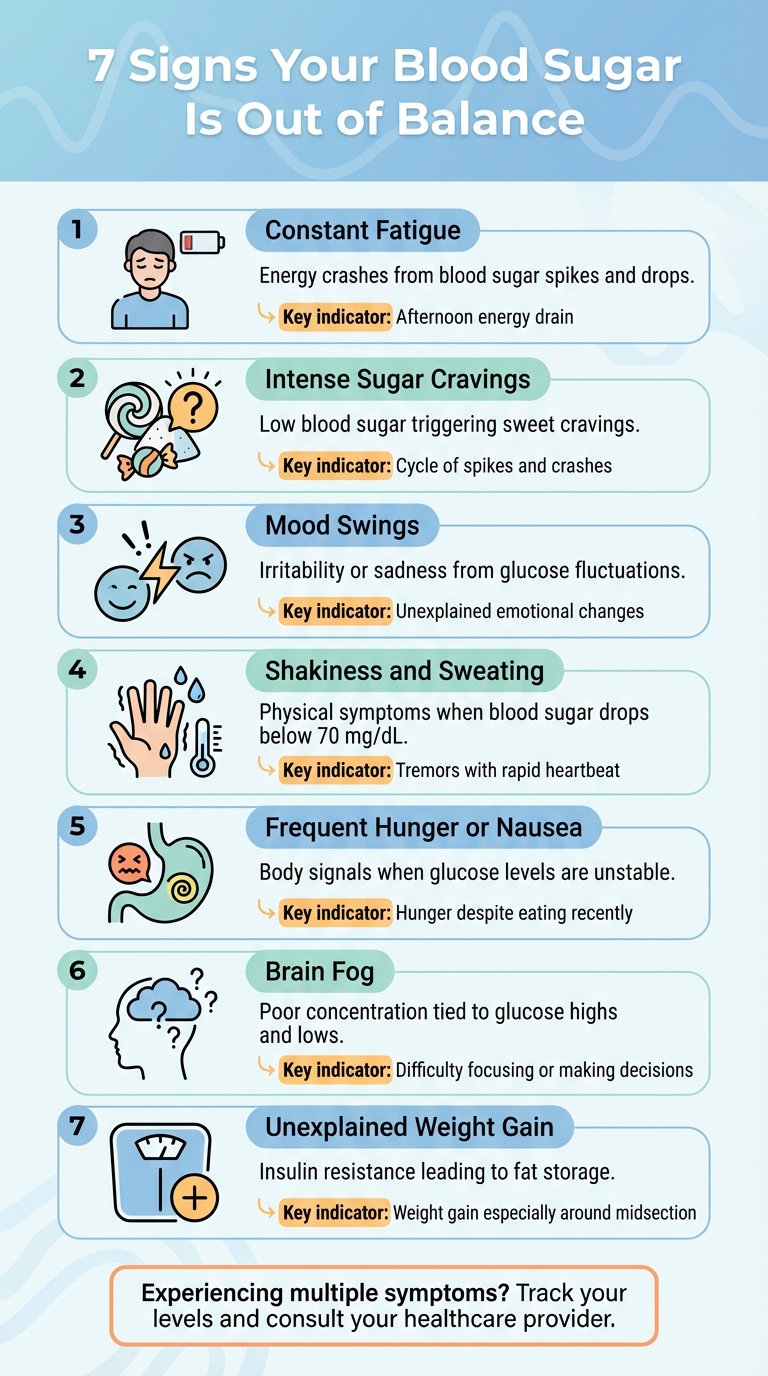
7 Signs Your Blood Sugar Is Out of Balance
By Drew Lederman
When your blood sugar is off, your body sends clear signals. Ignoring these signs can lead to serious health issues over time. Here are the seven most common symptoms:
Constant Fatigue: Energy crashes due to blood sugar spikes and drops.
Intense Sugar Cravings: A cycle of low blood sugar triggering sweet cravings.
Mood Swings: Irritability or sadness caused by glucose fluctuations.
Shakiness and Sweating: Physical symptoms of low blood sugar.
Frequent Hunger or Nausea: Signals from your body when glucose levels are unstable.
Brain Fog: Poor concentration tied to glucose highs and lows.
Unexplained Weight Gain: Insulin resistance leading to fat storage.
Managing these symptoms involves eating balanced meals, staying active, and focusing on fiber-rich, plant-based foods. Small changes, like pairing carbs with protein or taking short walks after meals, can help stabilize your blood sugar and improve your overall well-being.
7 Signs of Blood Sugar Imbalance and How to Recognize Them
1. Constant Fatigue
Impact on Daily Energy and Mood
Feeling drained, especially in the afternoon, isn’t random - it’s your body’s way of signaling blood sugar swings between highs and lows. This phenomenon, often called the "blood sugar rollercoaster", leaves you running on empty.
When blood sugar drops below 70 mg/dL, stress hormones like cortisol and adrenaline kick in, causing irritability, trouble focusing, weakness, and an overwhelming urge to rest. These symptoms highlight the deeper cellular issues at play.
Connection to Blood Sugar Fluctuations
This constant fatigue boils down to a problem with cellular energy. When insulin resistance develops, your cells stop responding effectively to insulin, leaving sugar in your bloodstream instead of delivering it to cells for energy.
"When your body is not processing insulin properly... the sugar is staying in your blood rather than getting into your cells to be used for energy. The result is lower energy, which you feel as fatigue." - Jackie Wilkinson, Registered Dietitian and Certified Diabetes Educator
Practical Strategies for Symptom Management
Managing blood sugar levels can help reduce fatigue, and small changes to your routine can make a big difference.
Don’t eat carbs alone. Always pair carbohydrates with protein, healthy fats, or fiber to slow glucose absorption and avoid energy crashes. For instance, pair fruit with almond butter or a handful of nuts.
Move after meals. Even a simple 10-minute walk after eating can help your body process glucose more effectively, reducing those spikes and dips that zap your energy. Gentle movement works wonders.
Relevance of Plant-Based Nutrition for Stabilization
Focusing on fiber-rich plant foods can stabilize blood sugar and provide steady energy. Foods like beans, lentils, oats, and whole grains release glucose gradually, unlike refined carbs that cause rapid spikes.
A helpful approach is the Plate Method: fill half your plate with non-starchy vegetables like spinach or broccoli, one quarter with plant-based protein like tofu or lentils, and one quarter with healthy carbs such as quinoa or brown rice. This balance keeps your energy levels steady and helps prevent those mid-afternoon crashes tied to blood sugar imbalances.
sbb-itb-40fb9b7
2. Intense Sugar Cravings
Connection to Blood Sugar Fluctuations
Craving sweets intensely can be a red flag for low blood sugar. When you skip meals or go too long without eating, your blood sugar can spike and then crash quickly. This happens because your body releases insulin to clear the glucose, leading to a sudden drop. Eating sugary foods might give you a temporary mood boost, but it also reinforces the craving cycle. These fluctuations often show up alongside other signs, like fatigue, and can cause noticeable energy swings throughout the day.
Impact on Daily Energy and Mood
Blood sugar swings don’t just affect your cravings - they also mess with your energy and focus. That brief "sugar rush" you feel after indulging in sweets may give you a quick burst of energy, but it usually fades fast, often within an hour. What follows? Fatigue, mental fog, and sometimes irritability or difficulty concentrating. These ups and downs can make it hard to stay productive and steady throughout the day.
Practical Strategies for Symptom Management
Here are a couple of simple ways to manage sugar cravings and keep your energy stable:
Eat regularly, every 3–4 hours. This helps prevent blood sugar dips and the hunger-driven cortisol spikes that follow.
Start your day with a protein-packed breakfast. Eating within 1–2 hours of waking can set the tone for balanced blood sugar all day long.
Relevance of Plant-Based Nutrition for Stabilization
Plant-based foods are a great ally in keeping your blood sugar steady. They provide protein, fiber, and healthy fats, which slow glucose absorption. Think lentils, chia seeds, tofu, beans, and nuts - they not only help balance blood sugar but also pack in nutrients. When cravings strike, try naturally sweet options like pitted dates with almond butter or "nice cream" made from frozen bananas. Keep added sugar intake below 10% of your daily calories - about 50 grams for a 2,000-calorie diet. Some studies even suggest aiming for less than 25 grams a day for added health perks.
3. Mood Swings and Irritability
Connection to Blood Sugar Fluctuations
Your brain runs on glucose, so when blood sugar levels swing too high or too low, your mood can take a hit. Low blood sugar (hypoglycemia) triggers the release of stress hormones, leading to irritability - often referred to as "hanger". On the flip side, consistently high blood sugar (hyperglycemia) messes with neurotransmitters like serotonin and dopamine, while also increasing inflammation and oxidative stress in the brain. This can result in feelings of sadness, low energy, and a lack of motivation.
"The relationship between diabetes and mood is complex, as one must recognize there are layers to how they are connected." - Vivek Alaigh, M.D., Endocrinologist, Stamford Health
These hormonal and chemical shifts explain why glucose fluctuations can have such a dramatic effect on your mood and energy levels.
Impact on Daily Energy and Mood
When blood sugar drops below 70 mg/dL, you might feel nervous, shaky, aggressive, or even confused. On the other hand, chronically high blood sugar can lead to anger, brain fog, and trouble focusing. People with diabetes are also 2 to 3 times more likely to experience depression, with over 25% dealing with anxiety disorders as well. Keeping your mood stable is essential for maintaining both energy and overall metabolic health.
Practical Strategies for Symptom Management
To avoid mood swings, aim to keep your blood sugar in the range of 70–140 mg/dL. If your levels drop to 70 mg/dL or lower, try the "15-15 Rule": eat 15 grams of quick-acting carbs (like 4 oz of juice), wait 15 minutes, and then check your levels again. Other helpful strategies include:
Food Sequencing: Start meals with proteins and vegetables before moving on to carbohydrates to slow sugar absorption.
The Plate Method: Fill half your plate with non-starchy vegetables, one quarter with lean protein, and the last quarter with healthy carbs.
Regular Meal Timing: Eat every 3–4 hours to help maintain steady blood sugar levels.
Relevance of Plant-Based Nutrition for Stabilization
Plant-based foods can play a big role in keeping both your blood sugar and mood in check. Fiber-packed options like legumes, beans, and lentils slow the absorption of carbs, preventing sharp glucose spikes. Whole grains, fruits, and vegetables provide complex carbohydrates that release sugar gradually, avoiding the quick highs and lows. Plant-based proteins - like tofu, tempeh, and edamame - paired with healthy fats from avocados, nuts, and seeds act as natural stabilizers, promoting steady energy and emotional balance. Plus, the high fiber content in these foods helps regulate neurotransmitters and reduce brain inflammation, which are both crucial for a clear mind and stable mood. These dietary habits not only help with mood stabilization but also support managing other signs of blood sugar imbalances.
4. Shakiness and Sweating
Connection to Blood Sugar Fluctuations
Low blood sugar often makes itself known through physical symptoms like shakiness and sweating. These are your body's way of signaling that it needs balanced glucose levels. When blood sugar drops below 70 mg/dL, stress hormones such as epinephrine, noradrenaline, and cortisol kick into gear, releasing stored glucose. This response can lead to trembling, sweating, rapid heartbeats, and even feelings of anxiety.
"It is the release of adrenaline that causes the symptoms of low blood glucose such as thumping heart, sweating, tingling, and anxiety." - American Diabetes Association
These symptoms are also common during reactive hypoglycemia, which can happen 2 to 4 hours after eating. This is especially true if your meal included simple carbs like white bread, pastries, or sugary drinks. The process is straightforward: blood sugar spikes quickly, your body produces too much insulin, and then your levels crash - leaving you feeling shaky and sweaty. According to research, 84% of people with diabetes experience sweating during hypoglycemic episodes, and 71% of older adults with diabetes report tremors when their blood sugar drops.
Impact on Daily Energy and Mood
Shakiness and sweating aren’t just uncomfortable - they can throw your whole day off. They often come with other symptoms like nervousness, confusion, and trouble focusing, making it hard to work, drive, or even hold a conversation. Some people experience nocturnal hypoglycemia, waking up soaked in sweat, disoriented, or even plagued by nightmares. Blood sugar levels below 54 mg/dL are considered severe and can lead to fainting or seizures. Recognizing these warning signs and acting quickly is crucial to avoiding more serious consequences.
Practical Strategies for Symptom Management
If you start feeling shaky or sweaty, the 15-15 Rule is a quick and effective solution. Consume 15 grams of fast-acting carbs - like 4 oz of juice, 1 tablespoon of honey, or 3 to 4 glucose tablets - then wait 15 minutes to recheck your levels. Once stabilized, follow up with a snack that combines protein and fat, such as a handful of nuts or a sandwich, to prevent another drop.
To minimize the risk of these episodes, avoid simple carbs that cause rapid spikes and crashes. If you're planning to exercise, check your blood sugar 1 to 2 hours beforehand. If it’s below 100 mg/dL, eat a small carb-rich snack to prevent exercise-induced symptoms.
Relevance of Plant-Based Nutrition for Stabilization
Plant-based eating can play a major role in keeping your blood sugar steady. Legumes like black beans, chickpeas, lentils, and split peas are loaded with fiber and plant protein, which slow glucose absorption and help prevent sharp drops. Choosing complex carbs such as quinoa, oatmeal, sprouted grain bread, or sweet potatoes (with the skin) can also help you avoid sudden glucose crashes.
Pairing carbs with healthy fats - from sources like avocados, walnuts, chia seeds, or olive oil - and plant proteins such as tofu, tempeh, or edamame can further stabilize digestion and insulin release. Snacking on balanced, plant-based options every 3 to 4 hours can keep your blood sugar on an even keel and help you steer clear of those unsettling symptoms.
5. Frequent Hunger or Nausea
Connection to Blood Sugar Fluctuations
Feeling hungry all the time or experiencing nausea might be your body's way of signaling that your blood sugar levels are out of sync. When blood sugar dips below 70 mg/dL, your brain sends out an urgent "fuel needed" signal, which can trigger intense hunger - not just a growling stomach, but a survival response.
Interestingly, hunger can also strike when blood sugar is high. This happens with insulin resistance, where glucose remains in your bloodstream instead of entering your cells. Essentially, your cells "think" they're starving, even though sugar levels in the blood are elevated, leading to an increased appetite. Nausea, on the other hand, often pops up during low blood sugar episodes, thanks to stress hormones like adrenaline being released. In more severe cases, nausea can indicate serious conditions like diabetic ketoacidosis, where the blood becomes acidic.
Impact on Daily Energy and Mood
These blood sugar swings don't just mess with your appetite - they can throw off your entire day. That "hangry" sensation isn't just in your head; it's a chemical reaction. When blood sugar crashes, your brain releases cortisol and adrenaline to raise glucose levels, leaving you feeling irritable, anxious, and unable to concentrate.
Some people even experience nighttime hypoglycemia, waking up nauseous, confused, or drenched in sweat. If blood sugar levels drop below 54 mg/dL, the situation becomes more serious, potentially leading to confusion or fainting. Recognizing these signals and responding quickly with dietary adjustments can help keep these disruptions in check.
Practical Strategies for Symptom Management
When low blood sugar strikes, the 15-15 Rule can be a lifesaver: eat 15 grams of fast-acting carbs, wait 15 minutes, and recheck your levels. Follow this with a balanced snack that includes protein, fat, and fiber.
To avoid those energy-draining spikes and crashes, aim to eat every 3 to 4 hours. Use a balanced plate approach: fill half your plate with non-starchy vegetables like spinach or broccoli, one quarter with lean protein such as tofu or beans, and the other quarter with whole grains or complex carbs. Pairing carbs with protein, fiber, and healthy fats slows digestion and helps prevent blood sugar spikes. Even a quick 10-minute walk after meals can help your muscles absorb glucose more effectively.
Relevance of Plant-Based Nutrition for Stabilization
Plant-based foods can play a big role in managing hunger and nausea tied to blood sugar issues. Legumes like lentils, chickpeas, and black beans are loaded with fiber and plant-based protein, which slow down carbohydrate absorption and reduce the risk of rapid glucose spikes. Replacing simple carbs like white rice or sugary snacks with complex options like quinoa, oats, or sweet potatoes (skin on) can make a noticeable difference.
Healthy plant fats, such as those found in avocados, walnuts, or olive oil, can also help by slowing digestion and promoting a steady rise in blood sugar instead of a sudden spike. Keeping snacks like nuts handy between meals can help fend off those hunger pangs. Starting your day with a protein-packed plant-based breakfast within 1 to 2 hours of waking has been shown to improve glucose control throughout the day, reducing energy crashes and curbing late-day cravings.
6. Brain Fog and Poor Concentration
Connection to Blood Sugar Fluctuations
Your brain is a huge energy consumer, using about 20% of your body's glucose to function properly. When blood sugar levels swing too high or too low, that clarity and focus can disappear in a flash. Brain fog is one of the key signs of blood sugar imbalance, much like fatigue or mood swings.
When blood sugar levels rise above 180–200 mg/dL, a glucose transporter called GluT1 becomes less effective, limiting how much glucose brain cells can absorb. This leads to mental fatigue and fog almost instantly. Over time, repeated spikes in glucose can cause neuroinflammation and oxidative stress, damaging brain blood vessels and making it harder to plan, focus, or make decisions.
"High blood sugar - both in people with and without diabetes - is often coupled with symptoms such as memory lapses, poor attention, reduced productivity, and an inability to think clearly - all common complaints that fall under 'brain fog.'" - Mike Haney, Author
On the flip side, low blood sugar - below 70 mg/dL - deprives the brain of energy and oxygen, leading to dizziness, confusion, and even trouble speaking. Dr. Deena Adimoolam, an endocrinologist, explains:
"The brain relies on glucose as a source of energy for neurons to function".
When glucose isn't available, cognitive abilities can decline quickly. These swings in blood sugar don't just impair glucose uptake - they can also disrupt your ability to think and perform daily tasks.
Impact on Daily Energy and Mood
These blood sugar fluctuations don't just affect your focus - they can disrupt your entire day. A blood sugar crash can leave your thoughts foggy and your mood irritable. Over time, prolonged stress from these fluctuations can wear you down, making even simple decisions feel overwhelming.
Women with diabetes for more than 15 years face a 57% to 114% higher risk of significant cognitive decline compared to those without diabetes. Dr. Sara Gottfried, Clinical Assistant Professor at Thomas Jefferson University, cautions:
"Brain fog can be a precursor to more serious brain issues or an early sign of neurodegeneration".
Practical Strategies for Symptom Management
If you experience brain fog during a low blood sugar episode, try the 15-15 Rule: eat 15 grams of fast-acting carbs, wait 15 minutes, and then check your blood sugar again. Start your day with a protein-packed breakfast within 1–2 hours of waking and aim for balanced meals every 3–4 hours to keep your glucose levels steady.
Jessica Kelly, MS, RDN, LDN, highlights:
"Research shows that people who eat within 1–2 hours of waking experience better glucose control throughout the day. It's one of the simplest ways to prevent energy dips and late-day cravings".
A quick 10-minute walk after meals can also help your muscles absorb glucose, smoothing out spikes that lead to mental fatigue. Small changes in your routine can make a big difference in maintaining mental clarity.
Relevance of Plant-Based Nutrition for Stabilization
Plant-based foods high in soluble fiber - such as oatmeal, beans, and flaxseeds - can help regulate blood sugar by forming a gel-like substance during digestion. This slows down carbohydrate absorption, preventing the sharp spikes that drain your mental energy. Foods like dark leafy greens (spinach, kale), legumes (lentils, chickpeas), and whole grains (quinoa, steel-cut oats) provide a steady release of glucose, keeping your brain fueled and focused.
Healthy fats from plant-based sources like avocados, walnuts, and chia seeds, combined with whole grains such as quinoa or brown rice, offer long-lasting energy and support clear thinking. Using the Plate Method - filling half your plate with non-starchy vegetables, a quarter with plant protein, and a quarter with high-fiber carbs - is an effective way to maintain steady energy and sharp mental performance throughout the day.
7. Unexplained Weight Gain
Connection to Blood Sugar Fluctuations
Unexplained weight gain often points to an underlying issue with blood sugar regulation. Insulin, a hormone that helps store energy, plays a big role here. When cells become resistant to insulin, the pancreas compensates by producing even more. This excess insulin promotes fat storage, especially around the midsection, as unused glucose is converted into fat. As James Roland from Healthline explains:
"The pancreas generates more insulin to little or no effect, while your body stores the sugar in your liver and muscles. When there is no room for more, the sugar is converted into body fat".
This creates a frustrating cycle: insulin resistance leads to weight gain, and the added weight worsens insulin resistance.
Stress adds another layer to this issue. Cortisol, the stress hormone, can amplify insulin resistance and encourage fat storage. Natalie Forster, a Functional Nutrition Practitioner, notes:
"When excessive insulin and cortisol are present together, they can promote insulin resistance and fat storage".
This combination often leads to abdominal fat, making belly weight a common sign of stress and blood sugar problems.
Impact on Daily Energy and Mood
Weight gain tied to blood sugar imbalances can sap your energy and disrupt your mood. Fluctuating blood sugar levels often cause energy crashes and lead to intense cravings for refined carbs, which can result in overeating and further weight gain.
The prevalence of these issues is striking. In 2021, about 97.6 million U.S. adults aged 18 and older had prediabetes, and nearly 40% of Americans aged 18 to 44 dealt with insulin resistance. These numbers highlight how widespread blood sugar imbalances have become.
The encouraging news? Losing just 5% to 7% of your body weight can significantly lower your risk of developing type 2 diabetes. Regular physical activity - at least 150 minutes of moderate aerobic exercise per week - helps your muscles use blood sugar for energy and improves insulin sensitivity. Even a short walk after meals can enhance glucose processing. Avoid late-night eating, as it can lead to insulin spikes.
Dr. Nicolas Musi from Cedars-Sinai emphasizes the importance of active involvement in managing blood sugar levels. Stress management techniques like meditation or yoga can lower cortisol levels and prevent stress-related blood sugar spikes. Aim for seven to nine hours of quality sleep each night, and monitor your blood sugar two hours after meals to identify foods that cause significant spikes.
Relevance of Plant-Based Nutrition for Stabilization
Diet plays a key role in stabilizing insulin levels and addressing weight gain. Fiber-rich, plant-based foods - like beans, lentils, and whole grains - slow sugar absorption, preventing the sharp insulin spikes that lead to fat storage. A helpful approach is the Plate Method: use a 9-inch plate, filling half with non-starchy vegetables (e.g., broccoli, tomatoes, lettuce), one quarter with plant-based protein (e.g., beans or lentils), and the remaining quarter with healthy carbs (e.g., quinoa or brown rice).
Incorporating prebiotic-rich foods such as asparagus, onions, garlic, and apples can also support gut health, which is linked to better blood sugar control. Pairing carbs with fiber or protein can blunt glucose spikes and stabilize insulin levels. Finally, swapping sugary drinks for water or zero-calorie beverages can help prevent unnecessary glucose surges. These small dietary adjustments can go a long way in reversing insulin resistance and promoting healthy weight management over time.
5 Signs of Blood Sugar Imbalances
How to Stabilize Your Blood Sugar
Here’s some good news: small tweaks to your diet can go a long way in stabilizing blood sugar. Focus on building meals around fiber, plant-based protein, and healthy fats - this trio works together to slow digestion and reduce those sharp glucose spikes that can leave you feeling drained. These adjustments create a solid foundation for smarter meal timing and food choices.
The order in which you eat your food matters too. Eating fiber-rich foods before carbohydrates can lower your glucose spike by up to 73%. For instance, having a small salad or a handful of almonds before your main meal can make a big difference. A 2023 study even found that eating 20 grams of almonds 30 minutes before meals for three months significantly lowered post-meal blood sugar and HbA1c levels. This simple habit can have measurable benefits.
Opt for foods high in fiber and low in net carbs. Consider lentils - they pack 15.6 grams of fiber and 17.9 grams of plant-based protein per cup. Chia seeds are another great choice, offering 9.75 grams of fiber per ounce (about 35% of your daily fiber needs) along with magnesium, which supports insulin secretion. Artichoke hearts are another fiber-rich option, with 9.69 grams per cup. For snacks, look for combinations of these stabilizing nutrients. A protein bar with 12 grams of protein, 14 grams of fiber, only 4 grams of net carbs, and no added sugar can help keep glucose levels steady.
Once you’ve prioritized nutrient-dense ingredients, the way you pair them with carbohydrates is key. Combine single-ingredient carbs with protein, fiber, or healthy fats to slow down glucose absorption. For example, spread nut butter on apple slices or top whole-grain toast with avocado. The CDC explains:
"Eating carbs with foods that have protein, fat, or fiber slows down how quickly your blood sugar rises".
Lastly, swap refined grains for whole grains like steel-cut oats, barley, or quinoa. These digest more slowly and are packed with complex carbohydrates. And don’t forget to ditch sugary drinks - replace them with water or unsweetened tea to avoid unnecessary glucose spikes. These strategies, from meal timing to food selection, can help tackle symptoms like fatigue, cravings, and mood swings, keeping your energy levels steady all day long.
Conclusion
Your body has a way of signaling when something is off, especially with blood sugar levels. Constant fatigue, intense cravings, mood swings, shakiness, frequent hunger, brain fog, and weight gain aren't just random occurrences - they're your body's way of saying, "Pay attention." As functional nutrition practitioner Natalie Forster explains:
"Instead of silencing unpleasant symptoms, consider viewing them as your body's way of communicating with you!"
These signs shouldn't be brushed aside. They're early warnings that, if addressed, can help you avoid serious health issues down the road.
The numbers paint a concerning picture. In the United States, about 1 in 10 people live with diabetes, and an estimated 88% experience high blood sugar spikes without even knowing it. Left unchecked, chronic blood sugar imbalances can damage blood vessels and nerves, leading to complications like vision problems, kidney disease, and heart issues. But recognizing these patterns early can break this cycle before it becomes irreversible.
Here’s the empowering part: you can take control. Simple, consistent habits - like eating fiber before meals, pairing carbs with protein and healthy fats, staying active, and managing stress - can make a noticeable impact. Keeping your A1C level below 7% is a key step in reducing the risk of long-term complications from diabetes. These strategies, combined with earlier tips, help create a solid foundation for steady blood sugar management.
Pay attention to your body’s cues. If you're noticing several of these symptoms, consider tracking your levels with a glucose meter or a continuous glucose monitor (CGM). Share your findings with your healthcare provider. Taking these steps can lead to a clearer diagnosis and a more effective plan of action. Your health deserves this level of care and attention.
FAQs
How can I tell if my blood sugar imbalance is causing my fatigue?
If you’re constantly feeling tired even after a full night’s sleep, your blood sugar levels might be playing a role. Fatigue can stem from high blood sugar, which hinders your cells from using energy effectively, or low blood sugar, which deprives your body of the fuel it needs.
Pay attention to other symptoms like shakiness, irritability, dizziness, or strong cravings for sugary foods. These can signal blood sugar imbalances and might explain why your energy feels off. Adjusting your diet by including balanced meals with protein, healthy fats, and fiber can help steady your blood sugar levels and gradually boost your energy.
What are the best dietary tips to balance blood sugar and curb cravings?
To help balance blood sugar and curb cravings, focus on eating whole, nutrient-packed foods that keep your energy levels steady. Foods rich in fiber - like vegetables, whole grains, and legumes - are especially helpful since they slow down sugar absorption, preventing those dreaded spikes and crashes. Pairing complex carbs with healthy fats and proteins - think nuts, seeds, avocados, or lean meats - can also deliver sustained energy while reducing the temptation to reach for sugary snacks.
Steer clear of processed foods and added sugars, as they tend to cause rapid blood sugar swings. Instead, aim for meals that include a mix of fiber, protein, and healthy fats to help you feel full and keep your blood sugar stable. Eating smaller, more frequent meals throughout the day can also help you avoid those energy dips that often trigger cravings, leaving you feeling more energized and in control.
How can blood sugar imbalances cause mood swings, and what can I do to manage them?
Blood sugar imbalances can have a direct impact on your mood by influencing your brain and hormones. When your blood sugar drops too low (a condition called hypoglycemia), your body releases stress hormones like cortisol and adrenaline. This can lead to feelings of irritability, anxiety, or even sudden emotional shifts. On the flip side, consistently high blood sugar levels (hyperglycemia) can disrupt important neurotransmitters like serotonin and dopamine, which are key to regulating mood. As a result, you might feel unusually tired, down, or unmotivated.
Tips to Keep Blood Sugar Stable and Manage Mood Swings
Maintaining stable blood sugar levels can play a big role in managing mood swings. Here are some practical steps to help:
Eat balanced meals: Include a mix of protein, healthy fats, and complex carbohydrates in your diet. This combination can help prevent sharp blood sugar spikes and crashes.
Don’t skip meals: Regular eating patterns are essential for keeping your blood sugar steady throughout the day.
Stay active: Physical activity not only supports blood sugar regulation but also boosts mood by releasing endorphins.
Practice stress management: Techniques like mindfulness, deep breathing, or meditation can help lower stress, which in turn may help stabilize blood sugar.
If mood swings persist despite these efforts, it’s a good idea to consult a healthcare provider. They can help rule out other underlying causes and suggest additional strategies or treatments.