We're reformulating our bars with an even better recipe. Sign up for early access and get an exclusive re-launch discount.
PCOS Diet: What to Eat and What to Avoid
By Drew Lederman
Managing PCOS starts with what’s on your plate. Here’s the bottom line:
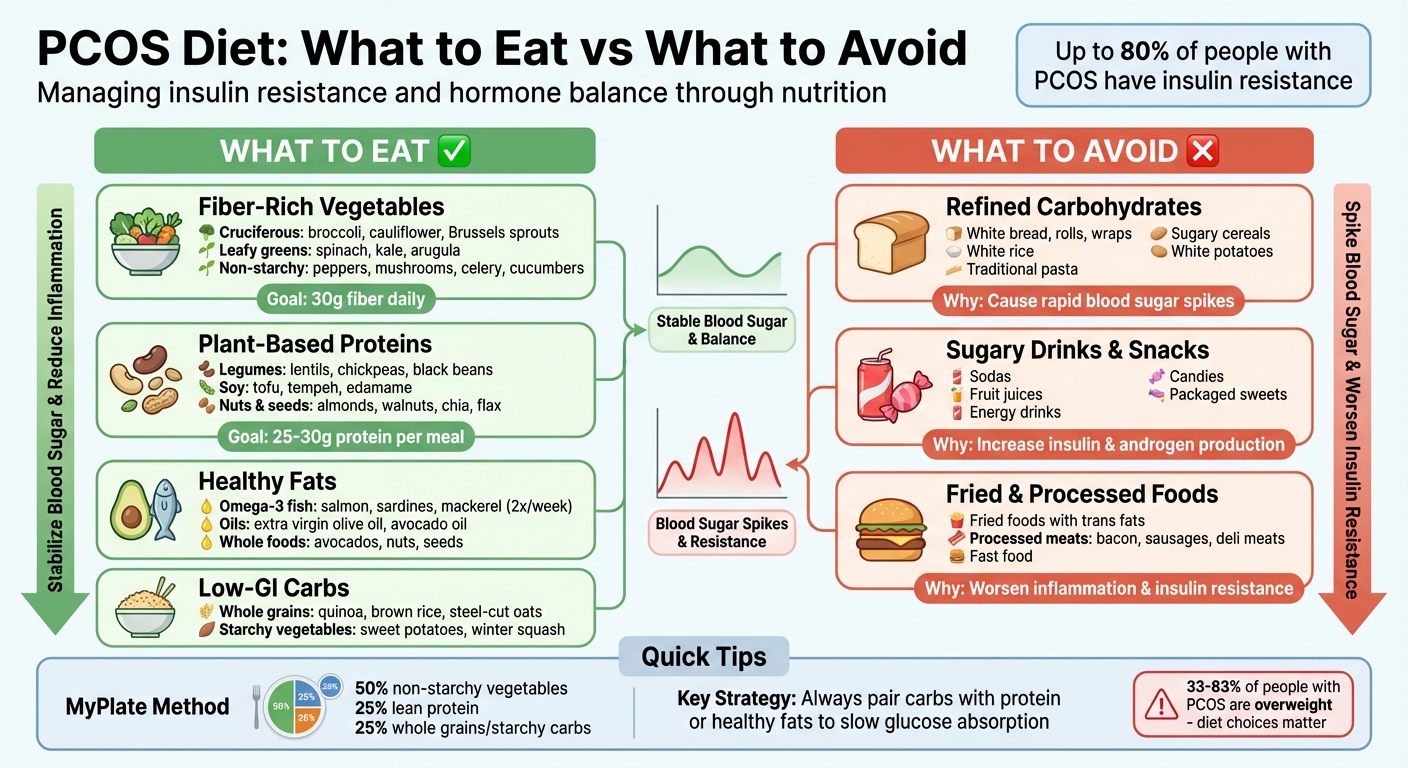
What to eat: Focus on fiber-rich vegetables, plant-based proteins, healthy fats, and low-GI carbs. These help stabilize blood sugar, reduce inflammation, and balance hormones.
What to avoid: Refined carbs, sugary drinks, fried foods, and processed snacks. These worsen insulin resistance and trigger hormonal imbalances.
PCOS is closely linked to insulin resistance, affecting up to 80% of those with the condition. By prioritizing whole, nutrient-dense foods and cutting back on processed and sugary options, you can improve symptoms like irregular periods, acne, and weight gain while reducing long-term health risks like type 2 diabetes.
Key takeaway: Build balanced meals with lean proteins, non-starchy vegetables, healthy fats, and low-GI carbs. Pair carbs with protein or fats to avoid blood sugar spikes.
For snacks, consider options like high-protein, low-sugar bars that support blood sugar stability. Pair dietary changes with regular physical activity for better results.
PCOS Diet Guide: Foods to Eat vs Avoid for Managing Symptoms
The PCOS Plate Method: A Beginners Guide to Eating for PCOS Weight Loss
sbb-itb-40fb9b7
What to Eat When You Have PCOS
Eating hormone-balancing foods can help manage insulin resistance and hormone imbalances. Focus on incorporating plenty of fiber, protein, and healthy fats to keep blood sugar steady and reduce inflammation.
Fiber-Rich Vegetables
Vegetables rich in fiber play a crucial role in stabilizing blood sugar. Cruciferous options like broccoli, cauliflower, and Brussels sprouts are excellent choices since their fiber content slows digestion and helps prevent sudden glucose spikes. Leafy greens and non-starchy vegetables - such as spinach, kale, arugula, peppers, mushrooms, celery, green beans, and cucumbers - deliver fiber and antioxidants without raising blood sugar levels.
"High-fiber foods, like whole grains, legumes and vegetables, help keep your blood sugar stable. That's especially important for you because PCOS often goes hand in hand with insulin resistance, prediabetes and diabetes." - Yolanda Thigpen, MD, Ob/Gyn, Cleveland Clinic
Vegetables like sweet potatoes, pumpkin, and winter squash provide fiber and nutrients that are better for managing PCOS than refined grains. Aim for around 30 grams of fiber daily. To plan your meals, consider the MyPlate Method: fill half your plate with non-starchy vegetables, one-quarter with lean protein, and the remaining quarter with starchy carbs or whole grains.
Plant-based proteins are another essential element for managing PCOS.
Plant-Based Proteins
Plant proteins are a great way to combine protein and fiber, both of which help manage insulin resistance. Legumes like lentils, chickpeas, black beans, and kidney beans are excellent choices as they slow digestion and reduce blood sugar fluctuations. Soy products, including tofu, tempeh, and edamame, also offer unique benefits. Research shows that replacing about 35% of daily animal protein with soy protein can significantly lower BMI, fasting blood sugar, testosterone levels, and triglycerides in women with PCOS.
Nuts and seeds - such as almonds, walnuts, pistachios, chia, flax, hemp, and sunflower seeds - provide not only protein and healthy fats but also anti-inflammatory benefits. Aim for 25 to 30 grams of protein per meal, prioritizing about 30 grams at breakfast to maintain stable blood sugar throughout the day. Swap out meat for beans or tofu a few times a week, and always pair carbs with protein to slow sugar absorption.
Healthy fats round out the essential nutrients needed for managing PCOS.
Healthy Fats
Unsaturated fats are key for hormone production and reducing inflammation, which can exacerbate insulin resistance. Omega-3-rich fish like salmon, sardines, and mackerel should be included at least twice a week. Monounsaturated fats from sources like extra virgin olive oil, avocado oil, and avocados also promote heart health and help regulate hormones.
"Unsaturated fats are the healthy kind. They can help to tamp down inflammation in your body and balance your hormones." - Yolanda Thigpen, MD, Ob/Gyn, Cleveland Clinic
Incorporate healthy fats into every meal. Add chia or flax seeds to your breakfast, snack on walnuts or almonds, and use extra virgin olive oil when cooking. For snacks, try pairing carbs with healthy fats - like apple slices with almond butter - to avoid insulin spikes and maintain steady energy.
What to Avoid When You Have PCOS
Some foods can help stabilize blood sugar and support hormone balance, but others can work against your efforts to manage PCOS. Processed and sugary foods, for example, can cause insulin spikes, increase inflammation, and worsen hormonal imbalances. Knowing what to avoid is just as important as understanding what to include in your diet.
"Sugary foods and drinks and highly processed foods don't help you reach your nutritional goals and can actively work against them." - Yolanda Thigpen, MD, Ob/Gyn, Cleveland Clinic
With 33% to 83% of people with PCOS being overweight, dietary choices play a big role in managing symptoms. Certain foods can worsen insulin resistance and contribute to chronic inflammation, so steering clear of them is key.
Refined Carbohydrates
Refined carbs are a major culprit. These are processed foods that have been stripped of fiber and nutrients, leaving behind high-Glycemic Index products that cause rapid blood sugar spikes. Think white bread, white rice, traditional pastas, and sugary cereals. For those with PCOS, these insulin surges can aggravate symptoms like acne, irregular periods, and excess hair growth.
Many individuals with PCOS also experience insulin resistance, where the body struggles to use insulin effectively. This forces the pancreas to produce more insulin, which refined carbs only make worse. The result? A cycle of blood sugar spikes and crashes, chronic inflammation, and difficulty managing weight.
Refined Carbohydrate (Avoid/Limit)
PCOS-Friendly Alternative (Choose)
White bread, rolls, and wraps
Whole-grain or sprouted grain bread
White rice
Brown rice, quinoa, or cauliflower rice
Traditional pasta
Lentil, chickpea, or bean-based pasta
Sugary cereals
Steel-cut oats or chia seed pudding
Pizza crust (white flour)
Cauliflower or whole-wheat crust
White potatoes
Sweet potatoes or winter squash
When shopping, check labels for ingredients like "white flour", "semolina", or "durum wheat flour", and avoid products that list these as primary components. Watch out for hidden sugars, too, under names like sucrose, high fructose corn syrup, or dextrose. Pairing carbs with lean proteins and healthy fats can also help slow the release of glucose into your bloodstream.
Sugary Drinks and Snacks
Sugary drinks and snacks are another category to avoid. Sodas, fruit juices, energy drinks, candies, and packaged sweets all cause blood sugar spikes and increase insulin production. This can trigger your ovaries to produce more androgens, worsening PCOS symptoms like acne and irregular periods. Additionally, sugar fuels inflammation, which is often already an issue for people with PCOS.
For the 80% of individuals with PCOS who are overweight, high sugar intake can lead to more fat storage, especially around the abdomen. It also disrupts gut health and can contribute to fatty liver disease, a common condition among those with PCOS.
Sugar often hides in packaged foods under names ending in "-ose" or in syrups and nectars. To cut back, make water your main beverage. Add flavor with lemon, cucumber, or sugar-free seltzer instead of reaching for soda or juice. When you want something sweet, opt for whole fruits like berries. They’re packed with fiber, which helps keep blood sugar in check, unlike concentrated sweets.
Fried and Processed Foods
Fried and heavily processed foods are also problematic. Fried items cooked in hydrogenated oils contain trans fats that worsen inflammation and insulin resistance. Processed meats like bacon, sausages, and deli meats can trigger the release of inflammatory compounds that impair insulin function.
These foods also contribute to oxidative stress, harming how your body processes glucose. Diets high in sugar and processed foods can disrupt gut bacteria, leading to chronic inflammation and increased androgen production - a cycle that worsens PCOS symptoms.
"High-sugar foods may be one of the inducers of PCOS, by causing intestinal flora imbalance and triggering chronic inflammation, insulin resistance, and production of androgen." - Maria Xenou, Department of Midwifery, University of West Attica
Instead of frying, opt for cooking methods like roasting, steaming, or boiling. Check labels for trans fats or hydrogenated oils, which are common in packaged snacks and fast food. Swap fried sides, like french fries, for roasted non-starchy vegetables such as broccoli or cauliflower. These high-fiber options help stabilize blood sugar and support hormone balance.
Avoiding these foods can make a big difference in managing PCOS, reducing insulin resistance, and promoting better overall health. By making thoughtful dietary changes, you can take proactive steps toward improving your symptoms.
PCOS-Friendly Snacking with Resist Nutrition
When managing PCOS, it's important to choose snacks that help keep blood sugar stable. Resist Nutrition's protein bars are crafted to do just that, helping you avoid those rapid blood sugar spikes and energy crashes. Each bar contains just 4g of net carbs, fitting well with recommendations to focus on lean plant proteins and healthy fats for PCOS management [17, 12].
Packed with 12g of protein and 14g of fiber, these bars are designed to slow digestion, reducing the immediate impact of carbohydrates on blood sugar levels [2, 3]. Considering that 50% to 75% of people with PCOS experience insulin resistance, this steady glucose release is especially helpful.
You can get all three flavors for $39.95 per box. They’re vegan, keto-friendly, gluten-free, and soy-free. A sampler pack featuring all three flavors is also available for the same price. It’s a delicious way to snack while supporting your health goals.
Cinnamon Chocolate Chip Bars
If you’re craving a cookie dough-like treat, the Cinnamon Chocolate Chip bars are perfect. They’re not only tasty but also beneficial for blood sugar control, thanks to cinnamon’s role in glucose management. This makes them an excellent choice for addressing the insulin resistance that affects 50% to 80% of women with PCOS [19, 23]. With just 1g of sugar per bar and a 4.8 out of 5 rating, they’re a satisfying, low-sugar option for your diet.
Goji Cherry Chocolate Chip Bars
The Goji Cherry Chocolate Chip bars, rated 4.9 out of 5, are packed with ingredients that support hormonal health and reduce inflammation. Goji berries add antioxidants and polyphenols that slow carbohydrate digestion, while omega-3–rich seeds help balance androgen levels. With only 2g of sugar, this flavor is ideal for reducing oxidative stress [17, 24].
Peanut Butter Turmeric Bars
For a mix of anti-inflammatory benefits and healthy fats, try the Peanut Butter Turmeric bars. Turmeric’s curcumin works to inhibit NF-κB, a molecule tied to systemic inflammation. Combined with the healthy fats and protein from peanut butter, these bars not only promote satiety but may also improve insulin sensitivity, addressing a common PCOS concern [20, 21]. With just 1g of sugar and a 4.8 out of 5 rating, they’re a flavorful and functional choice.
How to Follow a PCOS Diet
Managing PCOS often starts with what’s on your plate. A well-thought-out diet can help stabilize blood sugar levels and support hormone balance. Here’s how you can make PCOS-friendly eating a consistent part of your routine.
Plan Your Meals
Spacing your meals throughout the day can make a big difference. Aim for three meals and one snack every 4–6 hours to help lower insulin levels. This is especially important since insulin resistance impacts 35% to 80% of people with PCOS.
"We advise people to aim for 30 grams of protein in the morning. Eat your protein first, then your carbs in that meal." - Yolanda Thigpen, MD, Ob/Gyn, Cleveland Clinic
Try to include 25–30 grams of protein in each meal and 8–10 grams in snacks. To make things easier, batch-cook staples like brown rice, quinoa, or roasted vegetables so you always have quick, balanced options ready to go. Plan your meals around your most active parts of the day to use glucose efficiently instead of storing it. You can follow an 80/20 rule: focus on PCOS-friendly foods 80% of the time while allowing for some flexibility the other 20%. Pair carbohydrates with protein, fiber, or healthy fats to slow down glucose absorption.
Once you’ve got your meal plan in place, the next step is shopping for the right ingredients.
Shop for Whole Foods
Start by filling your cart with non-starchy vegetables like spinach, kale, broccoli, and peppers. Add lean protein sources such as salmon, chicken breast, tofu, and Greek yogurt. For carbohydrates, choose low-glycemic options like quinoa, steel-cut oats, and lentils instead of refined choices like white bread or white rice.
Take a close look at food labels to spot hidden sugars, which can appear under names like sucrose, high fructose corn syrup, or dextrose. When buying pasta, go for bean- or lentil-based varieties rather than those made primarily with semolina or durum wheat. Avoid products with long, complicated ingredient lists that seem unfamiliar. Stock up on healthy fats like extra-virgin olive oil, avocados, walnuts, and chia seeds. Also, consider anti-inflammatory herbs and spices, such as turmeric and ginger, which may help counteract the chronic inflammation often linked to PCOS.
Balance Your Meals
After gathering your ingredients, focus on creating balanced meals to support glucose control. Use the MyPlate Method as a guide: fill half your plate with non-starchy vegetables or fruits, one-quarter with lean protein, and the remaining quarter with starchy carbohydrates or whole grains. This simple visual tool ensures you’re getting a mix of nutrients at every meal.
Stick to water or unsweetened beverages instead of sugary drinks. Even a modest weight loss of 5% to 10% has been shown to help manage PCOS symptoms. By building balanced meals, you’re laying the groundwork for better PCOS management and overall well-being.
Conclusion
Managing PCOS effectively starts with making thoughtful, consistent dietary choices. Prioritizing fiber-packed vegetables, lean proteins, and healthy fats while cutting back on refined carbs, sugary drinks, and processed foods can address key drivers of PCOS symptoms, such as insulin resistance and inflammation.
"Nutrition for PCOS management aims to control blood glucose, which can improve your body's use of insulin and decrease androgen levels."
– Shruthi Mahalingaiah, MD, MS, Reproductive Endocrinologist
The goal isn’t to follow a one-size-fits-all diet but to build a sustainable, nutrient-rich eating pattern that fits your lifestyle. A balanced approach tailored to your needs is far more effective than chasing a so-called "perfect" diet.
For added blood sugar support, consider PCOS-friendly snacks like Resist Nutrition protein bars. These bars pack 12 grams of protein and 14 grams of fiber while keeping sugar to just 1–2 grams. With plant-based protein, turmeric, and other anti-inflammatory ingredients, they help stabilize blood sugar levels between meals, reducing the risk of symptom flare-ups.
Pairing proper nutrition with regular physical activity strengthens your overall management plan. Aim for at least 150 minutes of moderate exercise each week to complement your dietary efforts. Every meal and movement is a step toward hormonal balance and reduced inflammation.
FAQs
How can a PCOS-friendly diet improve insulin resistance?
A diet tailored for PCOS can play a big role in improving insulin resistance by keeping blood sugar levels steady and avoiding insulin spikes. One way to do this is by focusing on high-fiber foods like whole grains, fruits, and vegetables. These foods help slow down how quickly sugar enters your bloodstream, making it easier for your body to manage blood sugar.
Balancing meals with healthy fats, lean proteins, and controlled portions of carbohydrates is another important step. This combination supports more stable blood sugar levels throughout the day.
It's also crucial to steer clear of processed sugars and refined carbs, as these can lead to quick blood sugar spikes and make insulin resistance worse. Instead, choose nutrient-rich, minimally processed foods to help maintain hormone balance and support overall well-being.
What are some easy and healthy snack ideas for managing PCOS?
Snacking with PCOS doesn't have to be complicated. The key is to pick snacks that help maintain stable blood sugar levels and support hormone health. A good rule of thumb? Combine protein, healthy fats, and fiber for snacks that keep you satisfied and energized.
Here are some simple snack ideas:
A handful of nuts or seeds
Greek yogurt with fresh berries
Veggie sticks paired with hummus
Apple slices with a small serving of almond or peanut butter
Hard-boiled eggs or cheese sticks
A little planning can go a long way. Prepping snacks like portioned nuts or pre-cut veggies ahead of time makes it easier to grab something healthy when hunger strikes. Opting for nutrient-rich snacks not only helps curb cravings but also supports your overall health.
Can what you eat make PCOS symptoms worse?
Yes, some foods can aggravate PCOS symptoms. Items high in sugar, refined carbs, and heavily processed ingredients can disrupt hormones and intensify insulin resistance, which is a frequent issue for individuals with PCOS.
To manage symptoms more effectively, steer clear of foods like candy, pastries, white bread, sugary beverages, and fried or overly processed snacks. Opt instead for nutrient-rich choices that promote stable blood sugar levels and help minimize inflammation.