We're reformulating our bars with an even better recipe. Sign up for early access and get an exclusive re-launch discount.
How Plant Proteins Affect Blood Sugar and Energy
By Drew Lederman
Plant proteins can help stabilize blood sugar and provide steady energy. Here's how:
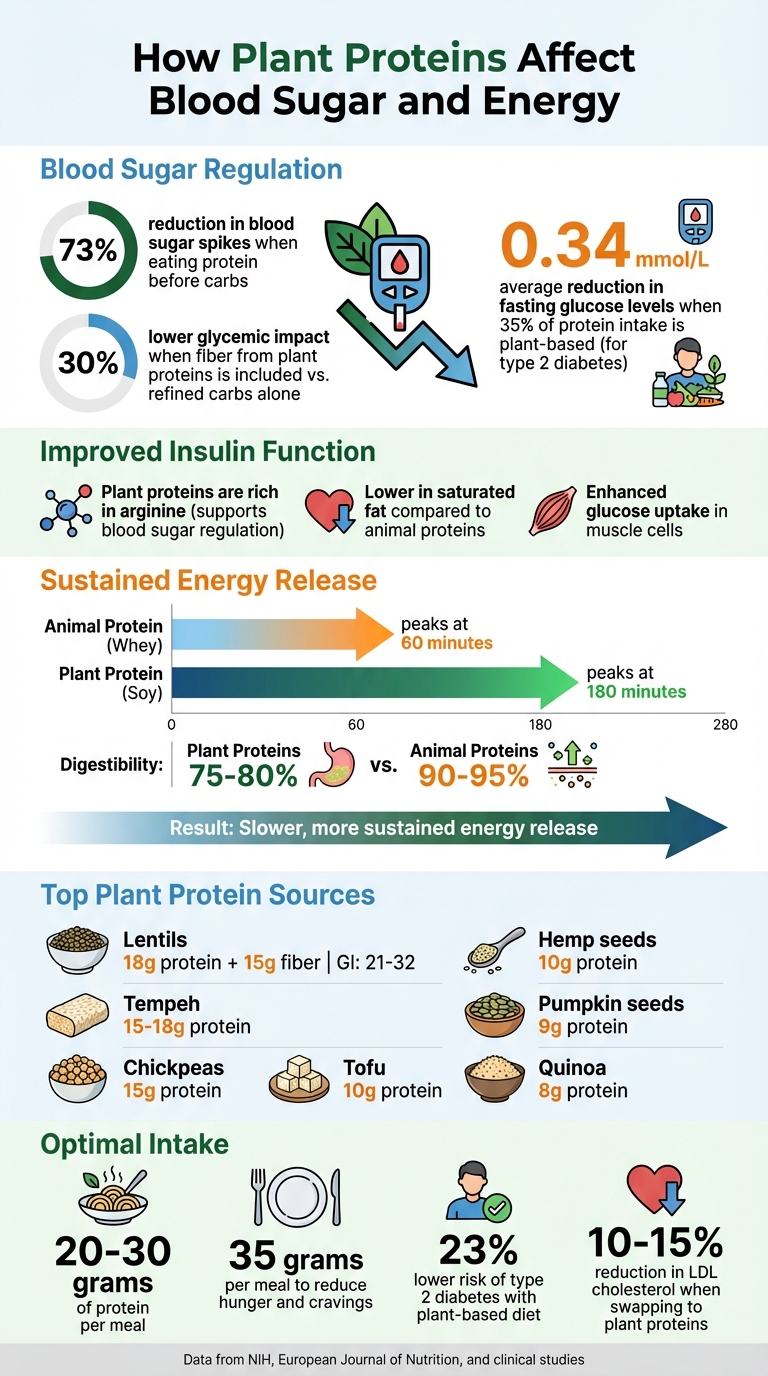
Blood Sugar Control: Plant proteins, paired with fiber, slow glucose absorption and digestion, reducing blood sugar spikes by up to 73% when eaten before carbs.
Insulin Sensitivity: They support better glucose use and lower fasting glucose levels, unlike animal proteins, which can increase insulin resistance.
Sustained Energy: Plant proteins digest slower than animal proteins, preventing energy crashes and keeping you fueled longer.
Top sources include lentils, tofu, chickpeas, and quinoa. Aim for 20–30 grams of protein per meal and pair with complex carbs and healthy fats for balanced energy.
For quick snacks, try roasted edamame, nuts, or plant-based protein bars like Resist Nutrition.
Eating plant proteins isn't just about blood sugar - it’s also about maintaining energy and overall health.
How Plant Proteins Regulate Blood Sugar and Energy: Key Statistics
How Plant Proteins Regulate Blood Sugar
Fiber Slows Glucose Absorption
Plant proteins like beans, lentils, and tofu pack a double punch by combining protein with dietary fiber, which plays a key role in managing blood sugar levels. Fiber creates a gel-like substance in the digestive system, slowing down how quickly food moves through and how fast carbohydrates are broken down. This process, known as delayed gastric emptying, helps keep blood sugar spikes at bay, preventing those energy crashes we all want to avoid. The National Institutes of Health explains:
"Fiber acts as a buffer, slowing down the digestion and absorption of carbohydrates. When you eat a meal containing beans or lentils, the fiber content can reduce the glycemic impact by up to 30 percent compared to refined carbohydrates alone".
On top of that, plant proteins stimulate GLP-1 - a hormone that further delays gastric emptying and aids in blood sugar control. A study published in the European Journal of Nutrition in April 2025 showed this in action. Researchers observed that when 16 healthy adults ate soy tofu before white rice, their post-meal blood sugar spikes were much lower compared to when they ate chicken before the rice. The soy-based meal increased GLP-1 levels, which helped moderate their blood sugar response.
While fiber slows the absorption of glucose, plant proteins also play a role in improving how the body uses insulin, which is essential for maintaining stable blood sugar.
Plant Proteins and Insulin Sensitivity
In addition to regulating how quickly glucose enters the bloodstream, plant proteins improve insulin sensitivity, helping the body manage blood sugar more effectively. Unlike animal proteins, which are often high in branched-chain amino acids (BCAAs) that can cause a surge in insulin, plant proteins are rich in arginine, an amino acid that supports smoother blood sugar regulation.
The benefits don’t stop there. Plant proteins are typically lower in saturated fat, a factor linked to reduced insulin resistance. Studies have shown that swapping just 35% of daily protein intake with plant-based options can lower fasting glucose levels by an average of 0.34 mmol/L in individuals with type 2 diabetes. This happens because plant proteins enhance glucose uptake in muscle cells, easing the workload on the pancreas to produce insulin. This combination not only curbs blood sugar spikes but also helps sustain energy levels throughout the day.
sbb-itb-40fb9b7
Balancing Blood Sugar with Plant-based Proteins
Plant Proteins and Energy Stability
Plant proteins don't just help regulate blood sugar - they also provide a steady source of energy thanks to their slower digestion process.
Slow-Digesting Proteins Provide Sustained Energy
Unlike many animal proteins, plant proteins take their time during digestion, making them a reliable option for maintaining steady energy levels. For example, animal proteins like whey are absorbed quickly, leading to a sharp metabolic spike about 60 minutes after eating. In contrast, plant proteins such as soy digest more gradually, with amino acid release peaking at 180 minutes post-meal. This slower breakdown ensures a more consistent release of amino acids and glucose, avoiding the energy highs and lows that can come with faster-digesting proteins.
The key lies in the structure of plant proteins. With a digestibility rate of 75%–80% compared to the 90%–95% rate of animal proteins, plant proteins naturally slow down gastric emptying. This gradual release of nutrients helps prevent the sudden blood sugar spikes that lead to energy crashes. As Brittany Poulson, MDA, RDN, CD, CDCES, points out:
"Protein delays gastric (stomach) emptying... Carbohydrates are digested more slowly when protein is present".
This delayed digestion process, especially when paired with fiber, not only keeps blood sugar in check but also supports long-lasting energy. For example, one cup of cooked lentils contains about 18 grams of protein and 15 grams of fiber, creating a nutrient combination that promotes steady energy for hours. Together, these qualities make plant proteins a cornerstone for managing energy throughout the day.
Balanced Macronutrients for Optimal Energy
Energy stability isn't just about digestion speed - it also depends on balancing macronutrients. Combining plant protein with complex carbohydrates and healthy fats creates a "slow, sustained, and gradual release" of energy, which helps you stay focused and avoid the spikes and crashes of quick-burning foods. Many people find that monitoring their diet with food logging helps identify which specific foods trigger these fluctuations.
Pairing your nutrients strategically can amplify these benefits. For instance, eating protein before carbohydrates can help your body process glucose more gradually, reducing the likelihood of afternoon energy slumps.
To put this into practice, aim for what nutritionists call the "perfect plate formula": fill half your plate with non-starchy vegetables, 25% with plant proteins like tofu or tempeh, and the remaining 25% with complex carbohydrates such as quinoa or brown rice. To ward off the mid-afternoon crash, consider a protein-packed plant-based snack around 2 or 3 p.m. Options like a handful of almonds or some hummus with vegetables can help stabilize your blood sugar before fatigue sets in. Research suggests that increasing dietary protein to about 35 grams per meal can significantly reduce hunger and cravings throughout the day, helping you avoid sugary snacks that disrupt energy stability.
How to Add More Plant Proteins to Your Diet
If you're looking to stabilize blood sugar and sustain energy, incorporating more plant proteins into your meals can make a big difference. With a few smart swaps, you can boost your intake and enjoy these benefits.
Best Plant Protein Sources
The best plant proteins for managing blood sugar are those that combine high protein with plenty of fiber. Lentils are a standout, boasting a low glycemic index of 21 to 32, which helps minimize glucose spikes. They’re a reliable choice for anyone aiming to keep their blood sugar in check.
Soy-based foods like tofu, tempeh, and edamame are another excellent option. These are complete proteins, meaning they provide all nine essential amino acids. As Registered Dietitian Anna Taylor puts it:
"In the plant world, there are very few sources of protein that have all of the necessary essential amino acids. Soy is one of those rare plant sources of complete protein".
For example, a 3-ounce serving of tempeh delivers 15 to 18 grams of protein, while firm tofu contains 10 grams per half-cup with very few carbs.
Other great plant protein options include:
Chickpeas: One cup has 15 grams of protein.
Hemp seeds: Just 3 tablespoons provide 10 grams of protein, plus a healthy omega-3 to omega-6 fatty acid balance.
Quinoa: A cooked cup offers 8 grams of protein.
With these versatile ingredients, you can create meals that not only taste great but also support blood sugar control and overall health.
Meal Planning for Balanced Nutrition
Designing meals around plant proteins can be simple. A good rule of thumb? Pair plant proteins with foods rich in vitamin C and healthy fats to enhance nutrient absorption and regulate blood sugar. Vandana Sheth, RDN, CDCES, explains:
"The iron in animal protein is more bioavailable, but if you enjoy plant proteins with vitamin C, you can significantly enhance absorption of iron".
Here are some easy swaps to get started:
Replace processed breakfast meats with a tofu scramble or beans on whole-grain toast.
At lunch, swap chicken in your salad for kidney or cannellini beans, or use hummus instead of deli meats.
For dinner, lentils are a quick option - they cook in about 20 minutes without soaking. Add them to soups, stews, or grain bowls for a hearty, nutrient-packed meal.
Quick tip: Steam tempeh for 5 to 10 minutes before cooking to reduce bitterness and help it absorb marinades better. And if you're using flaxseeds, grind them first - your body can’t fully digest whole seeds.
Convenient Options for Busy Schedules
When you’re short on time, having quick, nutritious options on hand can help you stick to your goals. Here are some ideas:
Keep dry-roasted edamame, nuts, or seeds nearby for easy snacks. For example, a quarter-cup of pumpkin seeds packs 9 grams of protein and magnesium, which supports glucose metabolism.
Try protein bars like those from Resist Nutrition (https://eatresist.com). Each bar provides 12 grams of plant protein, 14 grams of fiber, and only 4 grams of net carbs. Made with ingredients like almonds, chia seeds, and prebiotic fiber, they’re vegan, keto-friendly, and free from soy, gluten, sugar alcohols, and added sugars. Flavors include Cinnamon Chocolate Chip, Goji Cherry Chocolate Chip, and Peanut Butter Turmeric, with a box priced at $39.95.
The goal isn’t perfection - it’s consistency. As Jack Norris, RD, co-author of Vegan for Life, reminds us:
"Most people in Western countries get more protein than they need and animal protein is not necessary to meet needs".
Conclusion
Key Takeaways
Plant proteins play a crucial role in managing blood sugar levels and maintaining consistent energy. They achieve this by slowing glucose absorption, enhancing insulin sensitivity, and delivering sustained energy throughout the day. For instance, the fiber in legumes can lower a meal's glycemic impact by up to 30% when compared to refined carbs. Additionally, consuming protein before carbohydrates can reduce post-meal blood sugar spikes by as much as 73%.
Adopting a plant-based diet is linked to a 23% lower risk of developing type 2 diabetes. Swapping animal proteins for plant-based options can also reduce LDL cholesterol by 10–15%. For those managing conditions like diabetes or PCOS through diet, where insulin resistance is a major factor, plant proteins not only support cardiovascular health but also aid in hormonal balance and weight management. Using a hormone-balancing foods checklist can further optimize these results. These findings highlight the importance of plant proteins in supporting overall metabolic health.
Making Better Dietary Choices
These insights pave the way for smarter dietary decisions. Incorporate whole food sources like lentils, chickpeas, tofu, and hemp seeds into your meals. Using the protein-first strategy - eating protein before carbs - can be a game-changer for keeping blood sugar levels steady and maintaining energy. Aiming for 20–30 grams of protein per meal, particularly at breakfast, can help reduce hunger hormones and improve insulin sensitivity throughout the day.
For those with hectic schedules, having healthy snacks on hand is essential. Stock up on roasted edamame or nuts, or try Resist Nutrition protein bars (https://eatresist.com). Each bar offers 12 grams of plant protein, 14 grams of fiber, and only 4 grams of net carbs. Made with wholesome ingredients like almonds and chia seeds, they’re free from soy, gluten, sugar alcohols, and added sugars. At $39.95 per box, they’re a convenient way to keep your blood sugar stable between meals.
FAQs
Do plant proteins work if I’m not vegan?
Plant proteins work well for everyone, not just vegans. They generally have a gentler effect on blood sugar levels and help improve insulin sensitivity. This makes them an excellent choice for keeping blood sugar and energy levels steady.
What’s the best plant protein to eat before carbs?
Eating protein before carbohydrates can help slow down digestion and manage post-meal blood sugar spikes, which is important for maintaining steady energy levels. Opting for plant-based protein sources like beans, lentils, tofu, or vegan protein bars is a smart choice. Incorporating these into your meal before consuming carbs can support better blood sugar control and contribute to overall well-being.
How can I hit 20–30 g of plant protein per meal?
To hit 20–30 grams of plant protein in a meal, mix and match ingredients like lentils, chickpeas, tofu, tempeh, or quinoa. For instance, half a cup of cooked lentils packs around 9 grams of protein, and 3 ounces of tofu or tempeh contributes another 10–15 grams. Need an extra boost? Try a plant-based protein bar, such as Resist Nutrition’s vegan, keto-friendly options, to help you reach your protein target.