We're reformulating our bars with an even better recipe. Sign up for early access and get an exclusive re-launch discount.
Do Protein Bars Spike Blood Sugar?
By Drew Lederman
Yes, some protein bars can spike your blood sugar - but it depends on the ingredients. While protein and fiber help stabilize glucose levels, added sugars and high-glycemic carbs can cause sharp spikes. Here's what to look for:
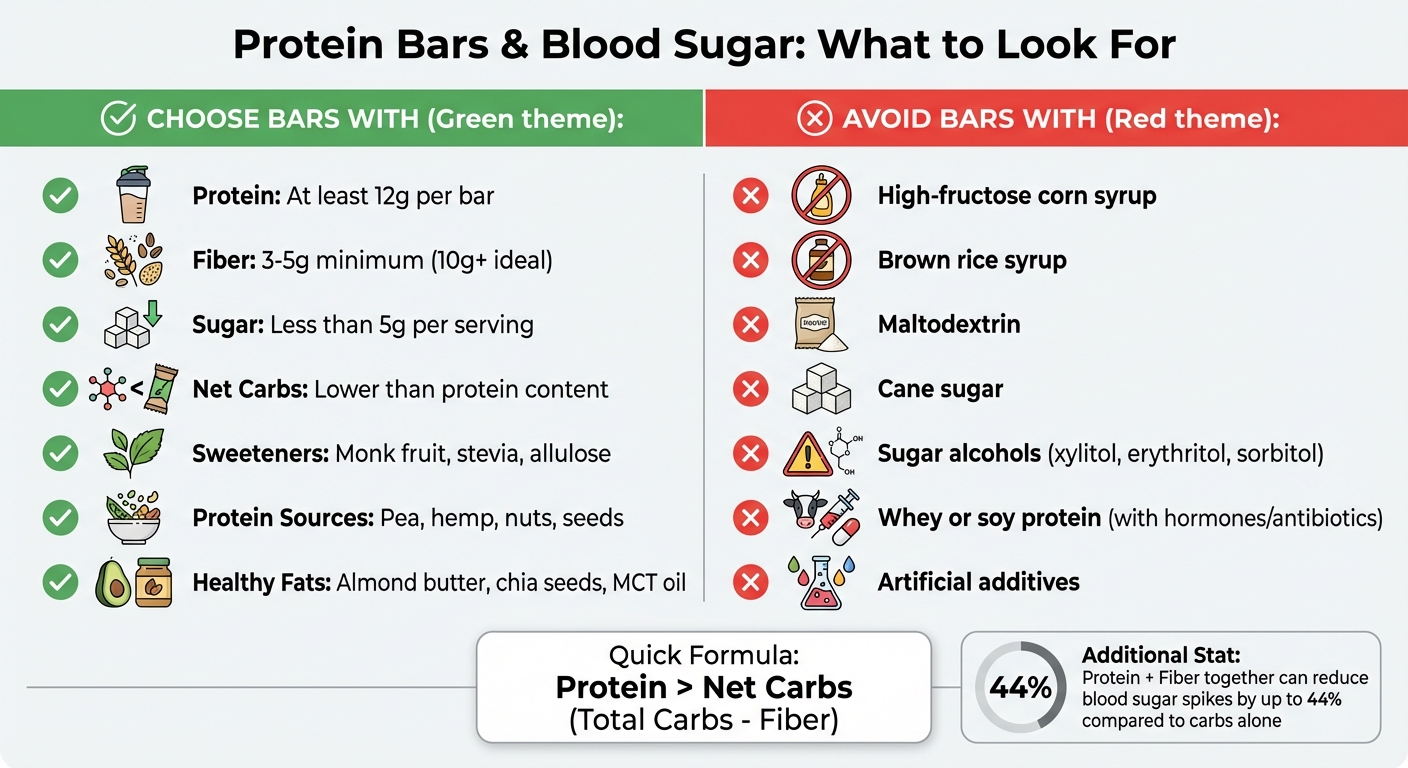
Avoid bars with added sugars like high-fructose corn syrup, brown rice syrup, or cane sugar.
Choose bars with at least 12g protein, 3-5g fiber, and less than 5g sugar per serving.
Opt for natural sweeteners like monk fruit, stevia, or allulose.
Healthy fats (e.g., almond butter, chia seeds) and plant-based proteins (e.g., pea, hemp) are better options.
For example, Resist Nutrition bars are designed to minimize blood sugar spikes with plant-based protein, high fiber, and no added sugar. Always check the label for net carbs (total carbs minus fiber) and avoid high-glycemic ingredients.
Protein bars can be a smart snack choice if you pick ones with balanced nutrients that help maintain steady blood sugar levels.
How to Choose Blood Sugar-Friendly Protein Bars: Ingredient Checklist
Can You Find the Best Protein Bar for Stable Blood Sugar?
sbb-itb-40fb9b7
Do Protein Bars Cause Blood Sugar Spikes?
Whether a protein bar causes a blood sugar spike depends entirely on its ingredients. Some are designed to keep your glucose levels steady, while others can send your blood sugar soaring - just like a candy bar.
How Ingredients Affect Blood Sugar Response
The ingredients in a protein bar play a huge role in how it impacts your blood sugar. Bars packed with protein and healthy fats help slow down the digestion and absorption of carbohydrates, leading to a gradual rise in glucose rather than a sharp spike. Similarly, fiber works to delay gastric emptying, which helps moderate the glycemic response.
On the flip side, added sugars - like high fructose corn syrup, brown rice syrup, or cane sugar - can cause rapid glucose spikes followed by energy crashes. The type of sweetener used is also crucial. Natural low-glycemic options, such as monk fruit, stevia, and allulose, generally don’t raise blood sugar or insulin levels. However, high-glycemic syrups can have the opposite effect, quickly elevating glucose levels.
Another key factor is net carbohydrates, which are the carbs that actually influence blood sugar. To calculate net carbs, subtract fiber and certain sugar alcohols from the total carbohydrates. As Whitness Nutrition explains:
"If the protein content is higher than the net carbohydrates (total carb – total fiber), you've got a great bar!"
By understanding these factors, you can evaluate protein bar labels more effectively.
How to Spot Protein Bars That Raise Blood Sugar
Reading nutrition labels is the best way to identify bars that might spike your blood sugar. A good rule of thumb: choose bars where the protein content is higher than the net carbohydrates. For people with diabetes, it’s especially important to look for bars with 15 to 20 grams of protein, 15 to 20 grams or fewer total carbohydrates, and no more than 4 grams of added sugar. For reference, the American Heart Association recommends limiting added sugar to 25 grams per day for women and 36 grams per day for men.
Morgan Walker, MS, RD, LDN, offers a critical reminder:
"Many bars are marketed as 'healthy' or 'high-protein' but contain sugar amounts similar to candy bars."
Keep an eye out for syrups like brown rice, corn, or tapioca syrup - these are telltale signs of high-glycemic sweeteners. Also, check the fiber content. High-fiber bars should have at least 3 to 5 grams of fiber per serving, as fiber helps stabilize blood sugar. Ideally, fiber should make up about 15% of the bar’s total composition. Armed with this knowledge, you can confidently select protein bars that help maintain steady blood sugar levels.
How to Choose Protein Bars That Keep Blood Sugar Stable
Here’s a guide to picking protein bars that help maintain steady glucose levels, building on the key ingredients we’ve discussed for blood sugar management.
What to Look for in a Protein Bar
Start by checking the protein content - look for at least 12 grams per bar. Opt for plant-based proteins like pea, hemp, nuts, and seeds instead of whey or soy. Next, focus on fiber: aim for 3 to 5 grams per serving, but bars with 10+ grams of prebiotic fiber (like resistant dextrin or chicory root) are even better for slowing glucose absorption.
Healthy fats are another must. Ingredients like MCT oil, almond butter, or chia seeds not only promote satiety but also help moderate glucose release. When it comes to sweeteners, choose natural low-glycemic options such as monk fruit, stevia, or allulose. Lastly, monitor the sugar content - a bar with less than 5 grams of sugar per serving is ideal for avoiding blood sugar spikes. As Dr. William Bryant, an endocrinologist, puts it:
"Vetting bars for high fiber and healthy fats provides sustained energy without sugar spikes making them a suitable diabetic snack."
When these components come together, you’ve got a bar that supports stable blood sugar levels.
Ingredients to Avoid
Stay away from bars containing high-fructose corn syrup, brown rice syrup, or maltodextrin, as these can lead to sharp glucose spikes. Sugar alcohols like xylitol, erythritol, and sorbitol should also be avoided - they can cause bloating and disrupt metabolic responses. Similarly, steer clear of polydextrose and xylitol, which may interfere with blood sugar regulation.
Watch out for additives such as xanthan gum, guar gum, and vegetable glycerin, which can be hard on digestion. Avoid bars that use whey or soy protein, especially if these include hormone additives or antibiotics. Instead, prioritize bars made with whole nuts, seeds, or grains as primary ingredients.
Resist Nutrition protein bars are a great example of a blood sugar-friendly option. Each bar delivers 12–13 grams of plant-based protein, 14 grams of fiber, 0 grams of added sugar, and just 4 grams of net carbs. They’re sweetened with allulose and monk fruit and include superfoods like cinnamon, maca, and turmeric. These bars are vegan, keto-friendly, and free of gluten, soy, and artificial additives. At $39.95 per box, they hold a 4.75-star rating from 53 reviews.
The packaging is made from BPA-free, phthalate-free materials to avoid endocrine disruptors. Many users, including those with Type 1 diabetes and PCOS, report that these bars don’t cause blood sugar spikes, making them a reliable choice for managing glucose levels.
The Science Behind Protein and Blood Sugar Control
Understanding how protein impacts glucose levels can help you make smarter decisions when choosing your snack bars.
How Protein Slows Down Glucose Absorption
Protein plays a key role in reducing rapid blood sugar spikes by influencing several physiological processes. For starters, it slows gastric emptying, which means glucose is absorbed more gradually into the bloodstream. Additionally, protein stimulates the release of incretin hormones like GLP-1 and GIP, which not only enhance insulin secretion but also further delay digestion. On top of that, amino acids from protein directly trigger insulin release, helping the body more efficiently manage glucose levels.
Research backs this up: adding 20 grams of protein to a high-carb meal can cut the glucose area under the curve by about 25%. Similarly, whey protein has been shown to lower post-meal glucose levels by 21%. Liz McKinney, MS, CNS, LDN from Nutrisense, explains it well:
"Protein helps steady how glucose enters your system. Even though all macros fuel your body, they don't all affect glucose the same way."
But protein isn’t the only player here - fiber also plays a critical role in managing blood sugar, especially when paired with protein.
Why Protein and Fiber Work Better Together
Protein and fiber each regulate blood sugar in unique but complementary ways. While protein influences hormones and slows stomach emptying, fiber acts as a physical barrier in the digestive process. Soluble fiber, in particular, forms a gel-like substance in the digestive tract, coating starch molecules. This slows down the activity of enzymes that break down carbohydrates, leading to a more gradual release of glucose.
Combining these two nutrients can have a powerful effect. Protein alone can reduce peak glucose levels by about 22%, and fiber by roughly 28%. However, when carbohydrates are paired with protein, fat, and fiber in a meal, peak glucose levels can drop by as much as 44% compared to eating carbs alone. Additionally, increasing fiber intake by just 8 grams per meal has been linked to a 15% to 35% reduction in post-meal glucose levels. Together, protein and fiber create a synergy that promotes stable blood sugar, which is why choosing bars that contain both is a smart move for maintaining steady energy levels.
Conclusion
Not All Protein Bars Are the Same
Protein bars can have very different effects on blood sugar, depending on their ingredients. Bars packed with added sugars, high-glycemic carbs, or hidden syrups often lead to quick blood sugar spikes followed by energy crashes. On the other hand, those made with a balanced combination of protein, fiber, and healthy fats are better at maintaining steady energy levels.
When choosing a protein bar, look for labels that emphasize low added sugars and high fiber content. These factors play a crucial role in ensuring better blood sugar management and sustained energy.
Why Resist Nutrition Protein Bars Are Different
Resist Nutrition bars stand out by focusing on blood sugar stability through intentional ingredient choices. Created with guidance from a medical advisory board, these bars are specifically designed to support hormonal balance and maintain steady glucose levels. Each bar contains 4 grams of net carbs, 12–13 grams of plant-based protein, and 14 grams of fiber, making them a smart choice for managing blood sugar.
What sets these bars apart is their commitment to avoiding common inflammatory ingredients. They are free from added sugars, sugar alcohols, whey, soy, and fillers that could hinder nutrient absorption. Instead, they use clean sweeteners like allulose and monk fruit, along with metabolism-friendly superfoods like cinnamon and turmeric, to support balanced blood sugar. Even the packaging is thoughtfully designed to avoid hormone-disrupting materials like BPA and phthalates.
With customer ratings between 4.8 and 4.9 out of 5 stars across their flavors, many people with Type 1 diabetes and PCOS have praised these bars for helping to stabilize their glucose levels. Danielle M., a customer with Type 1 diabetes, shared her experience:
"As a type one diabetic I can say Resist bars don't affect my blood glucose and are satisfying. These are an excellent choice for type one diabetics!"
FAQs
What should I eat with a protein bar to prevent a glucose spike?
To help keep your blood sugar steady, try pairing your protein bar with foods that are high in healthy fats, fiber, or extra protein. Good options include nuts, seeds, vegetables, or even a drizzle of healthy oil. These nutrients work to slow digestion, which can help prevent a sudden glucose spike.
Are sugar alcohols really “net carb free” for blood sugar?
Sugar alcohols are frequently labeled as "net carb free" because they're not fully absorbed by the body and have a lower glycemic index compared to regular sugar. While they typically cause smaller blood sugar spikes, they aren't entirely without impact - especially if consumed in larger quantities or by individuals with insulin sensitivity. They still contribute some carbohydrates, and excessive intake can lead to digestive issues. It's important to account for the total carbohydrate content, including sugar alcohols, when assessing their effect.
How can I tell if a protein bar is spiking my blood sugar?
To find out if a protein bar is causing a blood sugar spike, track your glucose levels. Measure them right before eating the bar and then again within 30 minutes to 2 hours afterward. If you notice a sharp rise, that’s a clear sign of a spike. Opting for bars made with low-glycemic ingredients, minimal added sugars, and plenty of fiber can help keep your blood sugar steady.