We're reformulating our bars with an even better recipe. Sign up for early access and get an exclusive re-launch discount.
5 Superfoods for Hormone and Blood Sugar Health
By Resist Team
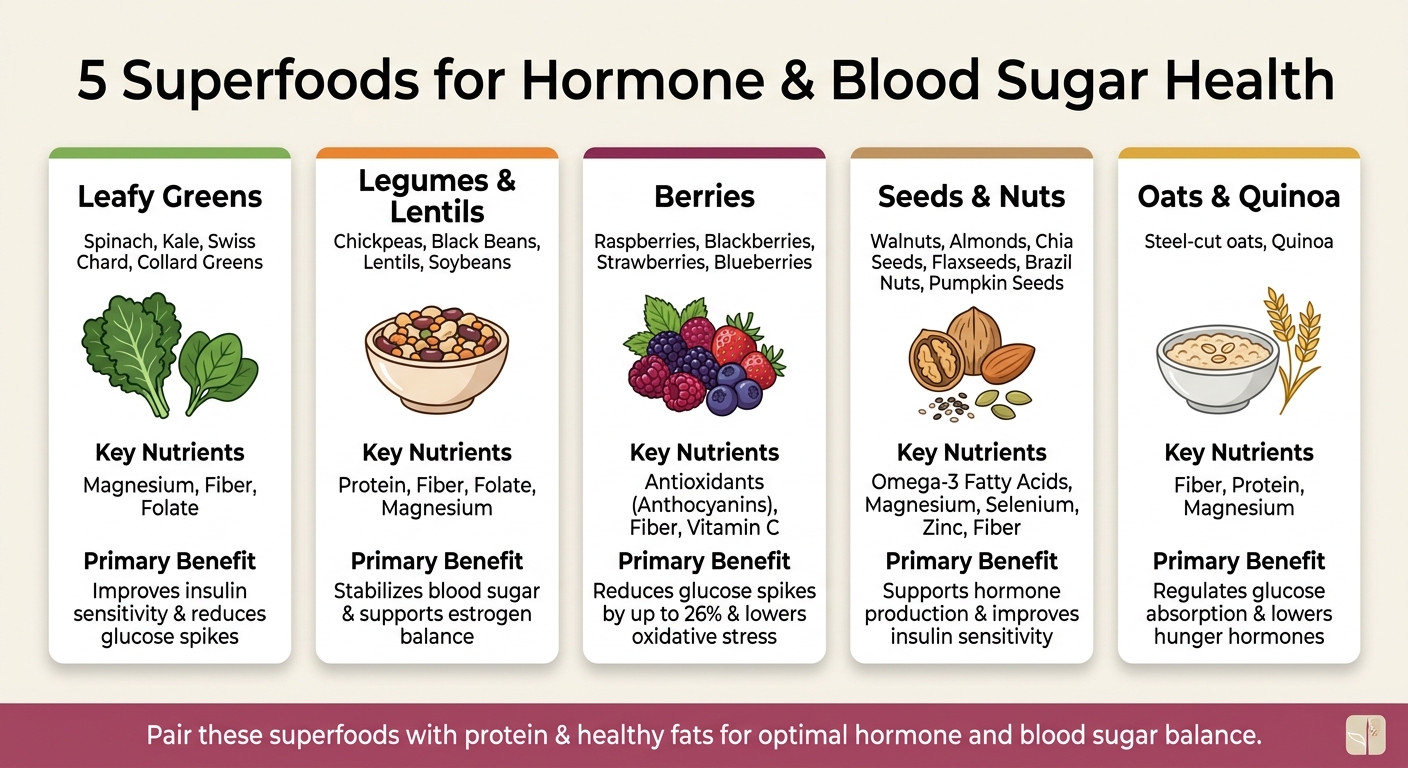
Leafy Greens: Spinach, kale, and Swiss chard provide magnesium and fiber, which improve insulin sensitivity and balance hormones.
Legumes and Lentils: Chickpeas, black beans, and lentils stabilize blood sugar with protein and fiber while aiding estrogen balance.
Berries: Raspberries, blackberries, and blueberries are low in carbs, high in antioxidants, and reduce glucose spikes.
Seeds and Nuts: Almonds, walnuts, and chia seeds deliver healthy fats, fiber, and minerals essential for hormone production.
Oats and Quinoa: These grains slow digestion, regulate glucose, and offer protein for hormonal balance.
Quick Comparison
Superfood
Key Nutrients
Primary Benefit
Leafy Greens
Magnesium, Fiber
Improves insulin sensitivity
Legumes & Lentils
Protein, Fiber
Stabilizes blood sugar
Berries
Antioxidants, Fiber
Reduces oxidative stress
Seeds & Nuts
Healthy Fats, Zinc
Supports hormone production
Oats & Quinoa
Fiber, Protein
Regulates glucose and hunger hormones
Incorporating these foods into your meals can help maintain steady blood sugar and promote better hormone health. Pair them with protein and healthy fats for added benefits.
7 Superfoods to Crush Diabetes & Drop Weight – Plus Exactly How to Use Them
sbb-itb-40fb9b7
1. Leafy Greens
Leafy greens like spinach, kale, Swiss chard, and collard greens play a key role in maintaining hormone balance and keeping blood sugar stable by helping to prevent glucose spikes.
These greens are packed with magnesium, which boosts insulin sensitivity, and fiber, which slows the absorption of sugar. They also contain folate, a nutrient that supports hormone regulation. Kale stands out for its flavonoid antioxidants, such as quercetin and kaempferol. In fact, a 2016 study showed that consuming 7g or 14g of kale alongside a high-carb meal significantly lowered post-meal blood sugar levels compared to a placebo.
"The best vegetables for hormonal balance are low glycemic vegetables which minimize glucose spikes in our blood that can lead to insulin resistance, hyperinsulinemia, and inflammation." - Dr. Rocio Salas-Whalen, Endocrinologist
Each type of leafy green brings its own set of nutrients and benefits:
Leafy Green
Nutrients
Benefit
Spinach
Iron, Magnesium
Helps regulate blood sugar and supports hormones
Kale
Cruciferous compounds
Aids estrogen metabolism and reduces inflammation
Swiss Chard
Antioxidants, Fiber
Supports detoxification and digestive health
Collard Greens
Calcium
May help improve insulin sensitivity
Incorporate these greens into your meals in simple ways: blend spinach into a morning smoothie, sauté kale as a side dish, or use dark leafy greens as the base for a hearty grain bowl. For cruciferous vegetables like kale, eating them raw or lightly steamed helps preserve their beneficial compounds. Switching up your greens daily ensures you get a broad range of nutrients to support your hormone and blood sugar health journey.
2. Legumes and Lentils
Legumes and lentils - like chickpeas, black beans, kidney beans, navy beans, soybeans, and lentils - play a key role in managing blood sugar levels. Packed with fiber and protein, these foods slow digestion, allowing glucose to be absorbed gradually. This steady absorption helps stabilize blood sugar levels while also supporting hormone health. For instance, chickpeas and soybeans contain phytoestrogens that can assist in balancing estrogen levels, which is particularly helpful for managing menopause and PCOS symptoms through diet.
"If you're insulin resistant, your goal should be eating foods that require less insulin for processing. It's about giving your body a better chance to do what it needs to do." - Beth Czerwony, RD, LD, Cleveland Clinic
Beyond their blood sugar benefits, these legumes are rich in phytoestrogens and essential nutrients that promote hormone balance. Black beans and chickpeas, for example, provide magnesium, which enhances insulin sensitivity. Lentils are another standout, delivering 90% of the Daily Value for folate in just one cup - a B vitamin crucial for hormonal health.
Here’s a quick look at the nutritional benefits of some popular legumes:
Legume (1 cup cooked)
Fiber (g)
Protein (g)
Key Micronutrient Highlight
Lentils
15.6
17.9
Folate (90% DV)
Chickpeas
12.5
14.5
Manganese (73% DV)
Black Beans
15.0
15.2
Magnesium (29% DV)
Navy Beans
19.1
15.0
Folate (64% DV)
Kidney Beans
13.1
15.3
Folate (58% DV)
Soybeans
10.3
31.3
Iron (49% DV)
Simple swaps can help you incorporate these into your diet. Try replacing white rice with lentils in a grain bowl, using mashed black beans as a taco filling, or adding chickpeas to soups and stews. Research suggests that substituting half the carbohydrates from rice or potatoes with lentils can significantly lower post-meal blood sugar levels. Start with small portions to allow your body to adapt, and enjoy the benefits of these nutrient-packed legumes for both blood sugar and hormone health.
3. Berries
Berries bring a powerful mix of fiber, low net carbs, and antioxidants to the table, making them a fantastic choice for stabilizing blood sugar and supporting hormone health.
Their unique blend of antioxidants - like anthocyanins, ellagic acid, and resveratrol - works to reduce oxidative stress and chronic inflammation. These are two major contributors to insulin resistance and hormonal imbalances. For example, research shows that eating 5 ounces of puréed strawberries or mixed berries with bread can lower the insulin spike by 24–26% compared to eating bread alone. Another study found that obese individuals with insulin resistance saw marked improvements in insulin sensitivity after drinking a blueberry smoothie twice daily for six weeks. Blueberries, in particular, contain anti-inflammatory compounds that may help lower cortisol, the body’s primary stress hormone, further supporting hormonal balance.
"Berries are a great option for a diabetes meal plan... They are naturally sweet and can be a great option to satisfy your sweet tooth without added sugar." - American Diabetes Association
Here’s a quick breakdown of common berries and their nutritional highlights:
Berry (per 3.5 oz / 100g)
Total Carbs
Fiber
Net Carbs
Key Nutrient
Raspberries
11.9g
6.5g
5.4g
Manganese (35% DV)
Blackberries
10.2g
5.3g
4.9g
Vitamin K1 (25% RDI)
Strawberries
7.7g
2.0g
5.7g
Vitamin C (150% RDI)
Blueberries
14.5g
2.4g
12.1g
High anthocyanin content
If you're looking for the highest fiber content, raspberries and blackberries are excellent choices. For a vitamin C boost - key for adrenal function and hormone production - strawberries are a standout, offering more per serving than most other fruits.
To get the most benefits from berries, try pairing them with protein and healthy fats. For example, mix them into plain Greek yogurt with a handful of walnuts or toss them into a salad with leafy greens and a light vinaigrette. This combo slows sugar absorption and keeps you feeling full longer. Frozen berries are just as nutritious as fresh ones and offer a cost-effective option year-round. Just double-check the label to ensure there’s no added sugar or syrup.
Next, we’ll explore how seeds and nuts contribute to balanced nutrition.
4. Seeds and Nuts
Seeds and nuts pack a punch when it comes to delivering nutrients that help stabilize blood sugar and balance hormones. They’re rich in healthy fats, fiber, protein, and minerals that work together to slow sugar absorption and improve how your body responds to insulin. Plus, they provide the building blocks your body needs for hormone production.
These tiny powerhouses stand out for their unique fatty acids and minerals, which play a big role in supporting your endocrine system. For example, omega-3 fatty acids in walnuts and flaxseeds are key for producing hormones like estrogen and progesterone. Meanwhile, almonds and pecans are loaded with magnesium, which not only boosts insulin sensitivity but also helps regulate cortisol - the stress hormone. And don’t overlook Brazil nuts; eating just one a day fulfills your selenium needs, a mineral essential for proper thyroid hormone production and metabolism.
"Incorporating a variety of these nuts in moderation can be beneficial for managing diabetes due to their unique micronutrient profiles and essential nutrients that aid in blood sugar control." - Michelle Routhenstein, Preventive Cardiology Dietitian
Research backs this up: eating a daily 1-ounce serving of nuts can lower the risk of type 2 diabetes by 11% and reduce diabetes-related mortality by 39%. Chia seeds, for example, boast nearly 11 grams of fiber per ounce, helping to prevent glucose spikes after meals.
Here are some standout seeds and nuts to include in your diet:
Seed/Nut
Key Nutrient
Primary Benefit
Walnuts
Omega-3 fatty acids
Supports hormone production and reduces inflammation
Almonds
Magnesium & Vitamin E
Enhances insulin sensitivity and provides antioxidant support
Brazil Nuts
Selenium
Aids thyroid hormone regulation
Flaxseeds
Lignans & Fiber
Balances estrogen and stabilizes blood sugar
Chia Seeds
Fiber & Protein
Increases satiety and slows glucose absorption
Pumpkin Seeds
Zinc
Supports progesterone production
Stick to a 1-ounce serving per day for the best results. Pairing nuts with fruit - like apple slices with almond butter - can help balance the natural sugars in fruit. For an easy fiber boost, try sprinkling ground flaxseeds or chia seeds on yogurt or oatmeal. And don’t forget: to keep walnuts and flaxseeds fresh, store them in the fridge or freezer. Their high oil content makes them spoil faster at room temperature. Up next, learn how oats and quinoa can further promote hormone and blood sugar balance.
5. Oats and Quinoa
Oats and quinoa are excellent options for stabilizing blood sugar and supporting hormonal balance. Packed with fiber, protein, and key minerals, these grains help slow digestion and regulate glucose levels, which can benefit overall endocrine health.
The fiber in both oats and quinoa plays a big role in slowing the digestion of carbohydrates and the absorption of sugar, which can improve insulin sensitivity and lower ghrelin levels (the hormone responsible for hunger). Oats are also rich in magnesium, a mineral that helps regulate cortisol levels and promotes melatonin production, aiding in stress management and better sleep. On the other hand, quinoa is one of the few plant-based sources of complete protein, meaning it contains all nine essential amino acids. Protein is crucial for maintaining hormonal balance, which impacts metabolism, mood, and blood sugar regulation. Additionally, quinoa has a glycemic index of around 53, categorizing it as a low-GI food, making it a smart carbohydrate choice.
Nutrient/Metric
Quinoa (Cooked, ~½ cup/100g)
Oats (Cooked, ~½ cup/100g)
Protein
4.4 g
2.5 g
Fiber
2.8 g
1.7 g
Glycemic Index
~53 (Low)
50–80 (Low to Medium)
Amino Acids
All 9 essential (Complete)
Incomplete (Lacks lysine)
Just like leafy greens and legumes, oats and quinoa are nutrient-rich staples that contribute to a hormone-friendly diet. To enhance their benefits, pair them with a mix of protein, fiber, and healthy fats.
"To help balance blood sugar levels and prevent spikes, make sure every meal is built around protein, fiber and fat. All three slow down the digestion and absorption of blood sugar." - Alessandra Stasnopolis, MS, RDN, LDN, Baylor Scott & White Health
For a balanced meal, try topping oatmeal with walnuts and fresh berries or pairing quinoa with salmon and roasted broccoli. To prepare quinoa, rinse it under cold water to remove the bitter saponin coating, and dry-roast it briefly to bring out its nutty flavor.
How to Combine These Superfoods Into Balanced Meals
By thoughtfully pairing superfoods with protein, fiber, and healthy fats, you can create meals that not only taste great but also help maintain steady blood sugar levels and support hormone balance.
Here’s a simple way to approach it: start with a fiber-packed base like leafy greens, oats, or quinoa. Then, add a protein source such as lentils, beans, seeds, or nuts. Finally, include a healthy fat like walnuts, pumpkin seeds, or a drizzle of olive oil. For instance, a hormone-balancing salad could feature kale or spinach as the base, topped with quinoa, chickpeas, and toasted walnuts. This combination delivers protein, fiber, and healthy fats in one satisfying dish. For breakfast, try a superfood bowl with steel-cut oats, fresh blueberries, and a tablespoon of chia seeds. This mix provides complex carbohydrates, antioxidants, and healthy fats, which can help stabilize glucose levels in the morning when cortisol naturally causes blood sugar to rise.
Snacks can follow the same principles. Combine at least two of the three components - protein, fiber, or fat - to avoid blood sugar spikes. A simple option? Pair berries with raw almonds or pumpkin seeds. The natural sugars in the berries are balanced by the fats and protein in the nuts or seeds.
Timing matters, too. Consuming non-starchy vegetables and protein before carbohydrates can help reduce blood sugar spikes. Prioritizing high-protein, high-fiber foods in the morning is especially helpful since blood sugar tends to be more reactive at that time.
"Ideally, you want to aim for a difference of about 50 points between pre-meal and post-meal readings. For example, if your fasting blood sugar is 100 mg/dL, a post-meal reading of around 150 mg/dL means you're doing a good job." - Naomi Wedel, Registered Dietitian, UnityPoint Health
Another tip: adding a small amount of apple cider vinegar to salad dressings or consuming it before carb-heavy meals can help reduce post-meal glucose spikes. This can be particularly useful when eating foods like oats or quinoa.
How Resist Nutrition Bars Fit Into a Hormone and Blood Sugar Friendly Diet
Resist Nutrition bars are packed with plant-based protein, fiber, and anti-inflammatory ingredients, offering a well-rounded option for balanced nutrition. Each bar contains 12g of plant protein, 14g of prebiotic fiber, and 4g of net carbs, with absolutely 0g of added sugar and no sugar alcohols. This combination mirrors the benefits of nutrient-dense whole foods, making it an easy and convenient choice for snacking.
The use of resistant dextrin and green banana flour slows down glucose absorption, much like oats or lentils. These prebiotic fibers also support a healthy gut microbiome, which plays a role in estrogen metabolism and insulin sensitivity - key factors for managing conditions such as PCOS, PMS, or perimenopause.
Resist Nutrition bars go a step further by incorporating targeted ingredients that align with hormone and blood sugar health. Each flavor is thoughtfully designed to highlight specific superfood benefits:
Cinnamon Chocolate Chip: Contains cinnamon, known for its potential to improve insulin signaling.
Goji Cherry Chocolate Chip: Includes goji berries, valued for their antioxidants and omega-3 content.
Peanut Butter Turmeric: Features turmeric, paired with black pepper extract to enhance its anti-inflammatory effects.
Each box of Resist Nutrition bars is priced at $39.95, with a sampler pack also available for the same price, allowing you to try all three flavors.
What Customers Are Saying
Here’s what people managing their blood sugar levels have shared about Resist Nutrition bars:
"As someone with PCOS/insulin resistance, finding quick snacks with enough fiber and protein but low sugar is hard for me. I love these protein bars for when I need a filling and healthy snack that won't spike my blood sugar!" - Kara C., Insulin Resistant PCOS
"As a type one diabetic I can say Resist bars don't affect my blood glucose and are satisfying. These are an excellent choice for type one diabetics!" - Danielle M., Type 1 Diabetic
Resist Nutrition bars are a practical way to stay fueled between meals without replacing whole foods. They’re perfect for those mid-morning or afternoon energy dips - pair one with water or unsweetened tea for a steady dose of protein and fiber, all while keeping blood sugar levels stable.
Conclusion
These superfoods provide targeted support for hormone balance and blood sugar management. By incorporating leafy greens, legumes, lentils, berries, seeds, nuts, oats, and quinoa into your diet, you're giving your body a steady supply of fiber, healthy fats, plant-based protein, antioxidants, and essential minerals that contribute to overall metabolic health.
As the American Diabetes Association explains:
"These foods are rich in protein, healthy fats, vitamins, minerals, antioxidants, and fiber. They are good for overall health and may also help prevent diseases like diabetes."
The key is consistency - small changes like swapping whole fruit for juice, using rinsed canned lentils, or sprinkling cinnamon into your coffee can add up over time. For a convenient option, Resist Nutrition bars offer a balanced dose of plant-based protein and fiber to support these goals.
Make these choices part of your daily routine to promote lasting metabolic health.
FAQs
How much should my blood sugar rise after a meal?
After eating, a normal blood sugar response usually means levels rise to less than 140 mg/dL. Ideally, they should remain under 180 mg/dL to prevent spikes and potential issues. Maintaining steady blood sugar levels is essential for good health.
Which of these superfoods are best for PCOS or menopause symptoms?
Cinnamon and cruciferous vegetables, such as broccoli and kale, can play a key role in managing symptoms of PCOS and menopause. Cinnamon helps improve insulin sensitivity, which is crucial for hormone regulation. Meanwhile, cruciferous vegetables promote estrogen balance, supporting overall hormone health.
Can I use Resist Nutrition bars instead of a snack or meal?
Yes, Resist Nutrition bars work great as either a snack or a meal replacement. They’re thoughtfully made with natural, non-toxic ingredients designed to help maintain stable blood sugar levels and support hormone health.